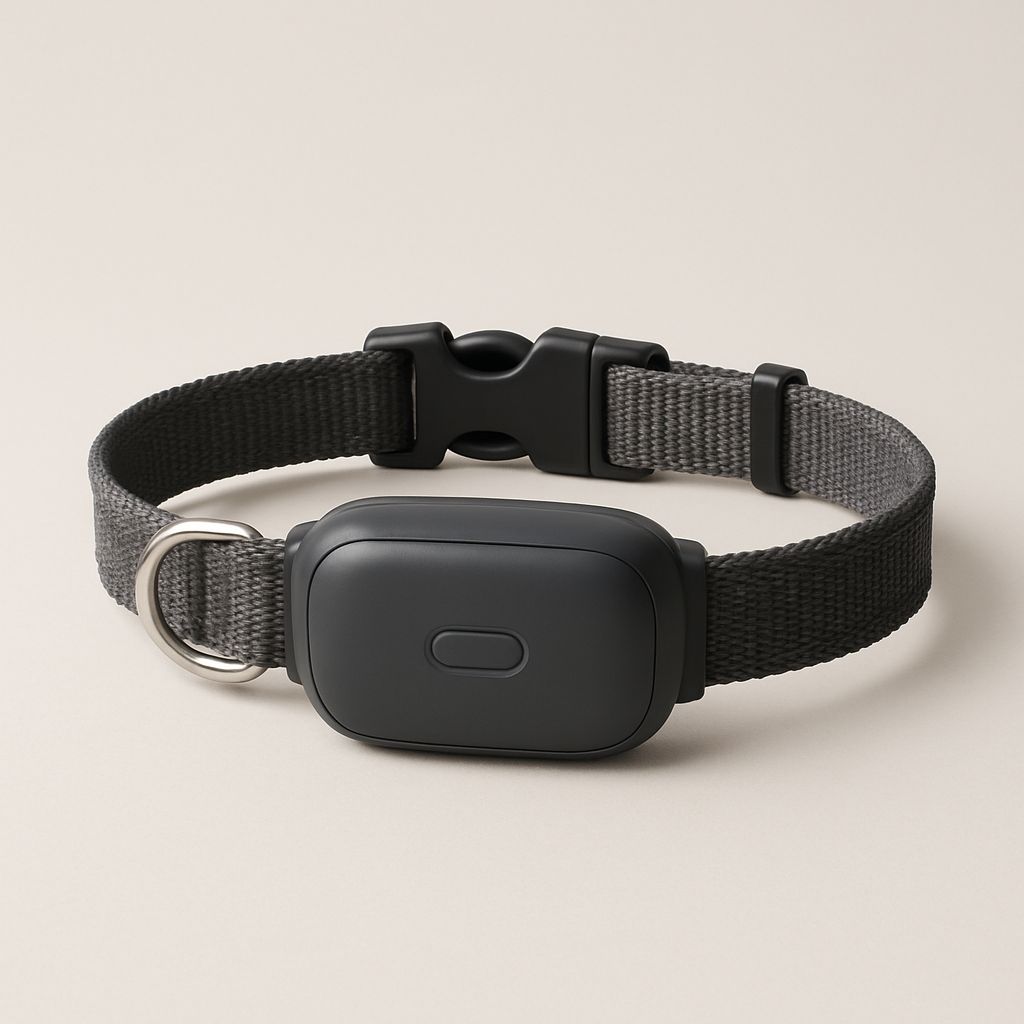
LTE GPS collar with live tracking
Cellular trackers update location every few seconds anywhere with coverage. Best for dogs that roam or escape; expect a monthly plan.
- Unlimited range with LTE
- 2-7 day battery
- Geofence alerts
Other searches
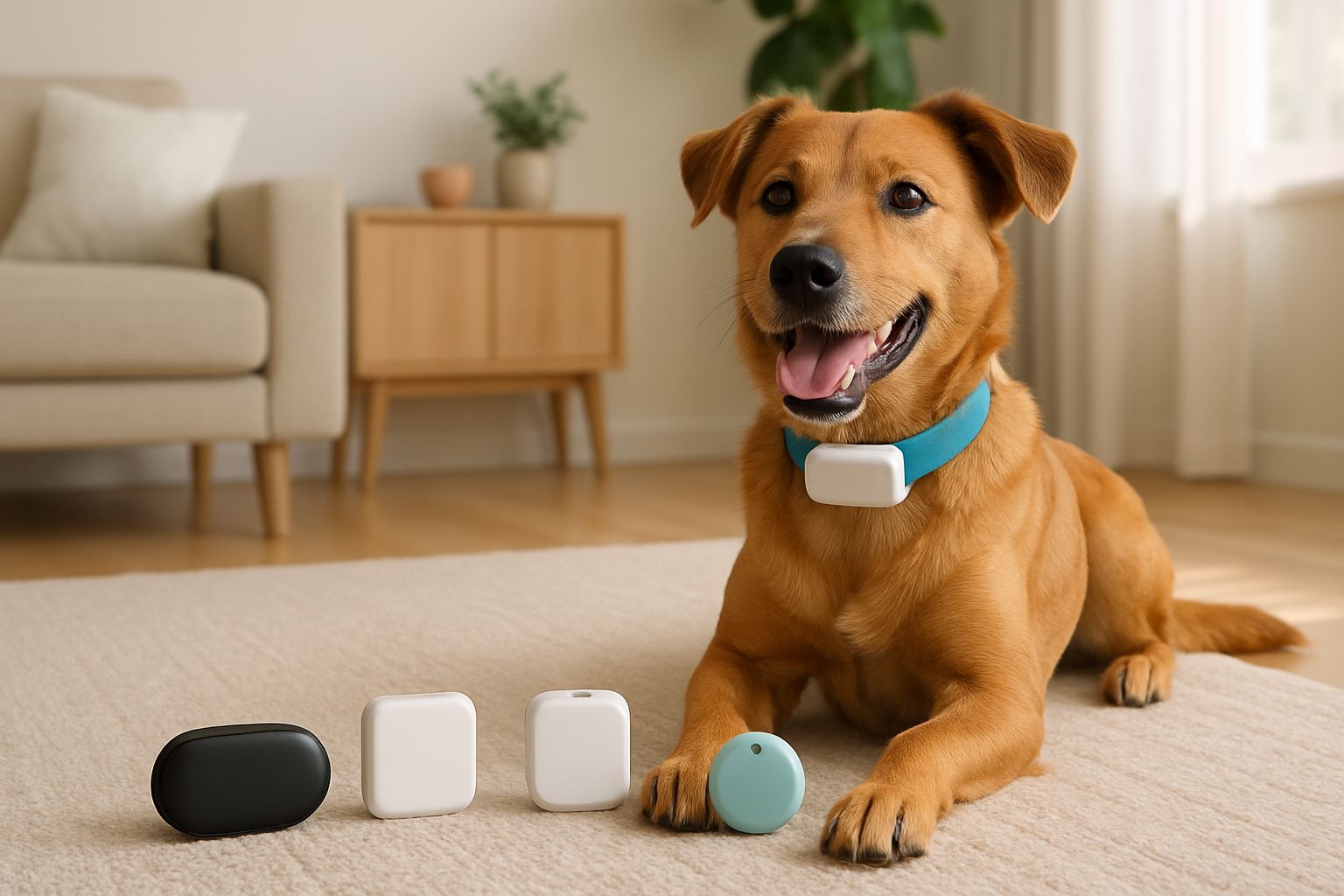
No more lost pets — live location tracking
GPS pet trackers clip to the collar and report live location over LTE, GPS or Bluetooth. Three things decide whether a tracker is worth buying: how often it updates position, how long the battery lasts between charges, and whether it needs a monthly subscription. Below are the tracker types people actually search for, and what each is good at.
Each pick links to a live Amazon search — prices and models stay current.
Cellular trackers update location every few seconds anywhere with coverage. Best for dogs that roam or escape; expect a monthly plan.
Other searches
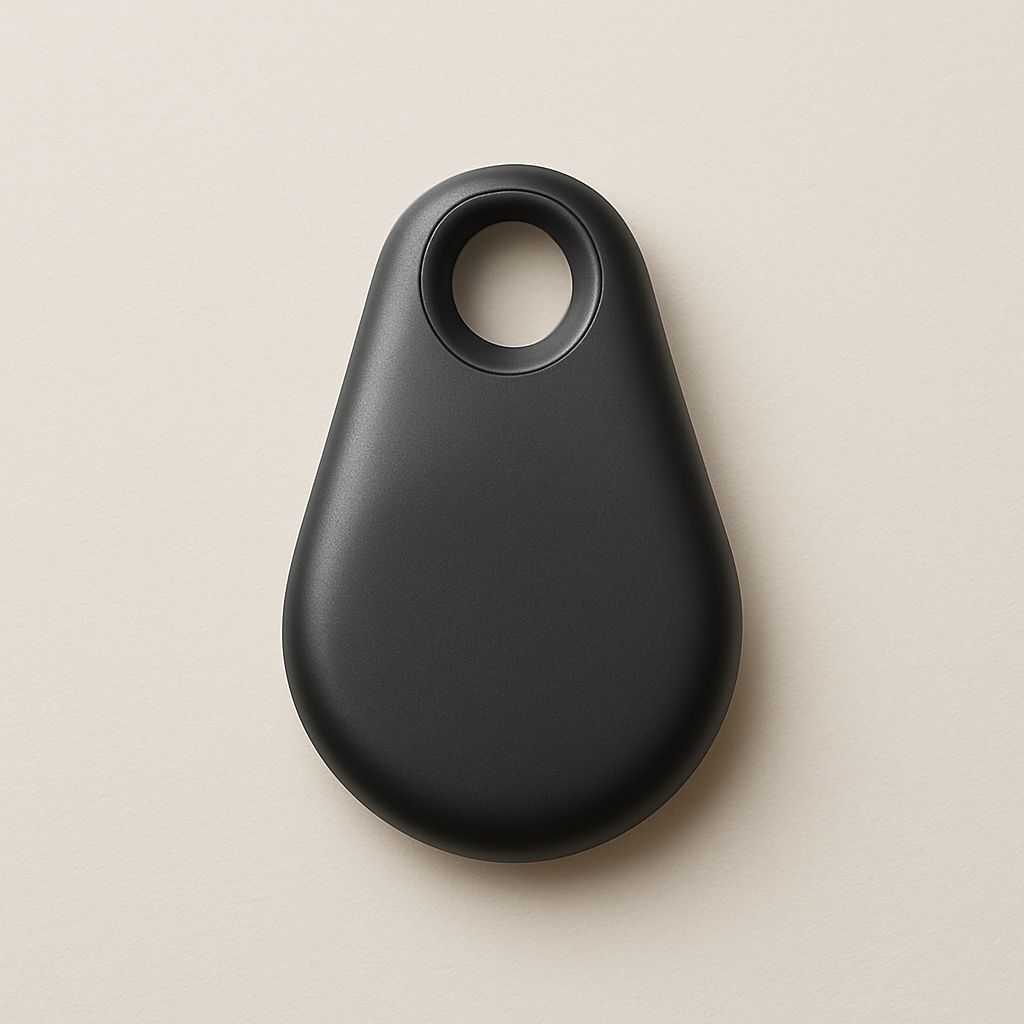
Bluetooth and network tags cost nothing monthly but only find pets within range or near other users of the same network.
Other searches
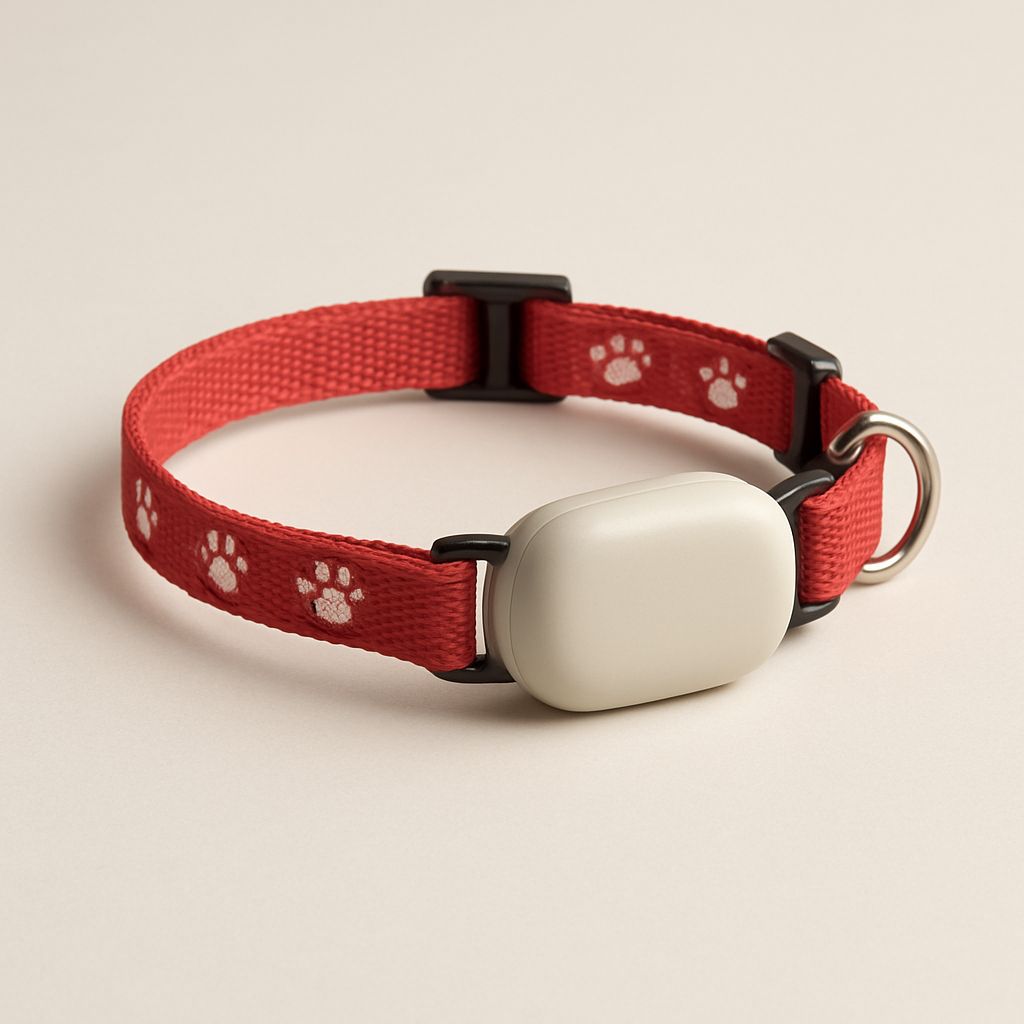
Under 30 g and paired with a breakaway collar, so a climbing cat can slip free if the collar snags on a branch.
Other searches
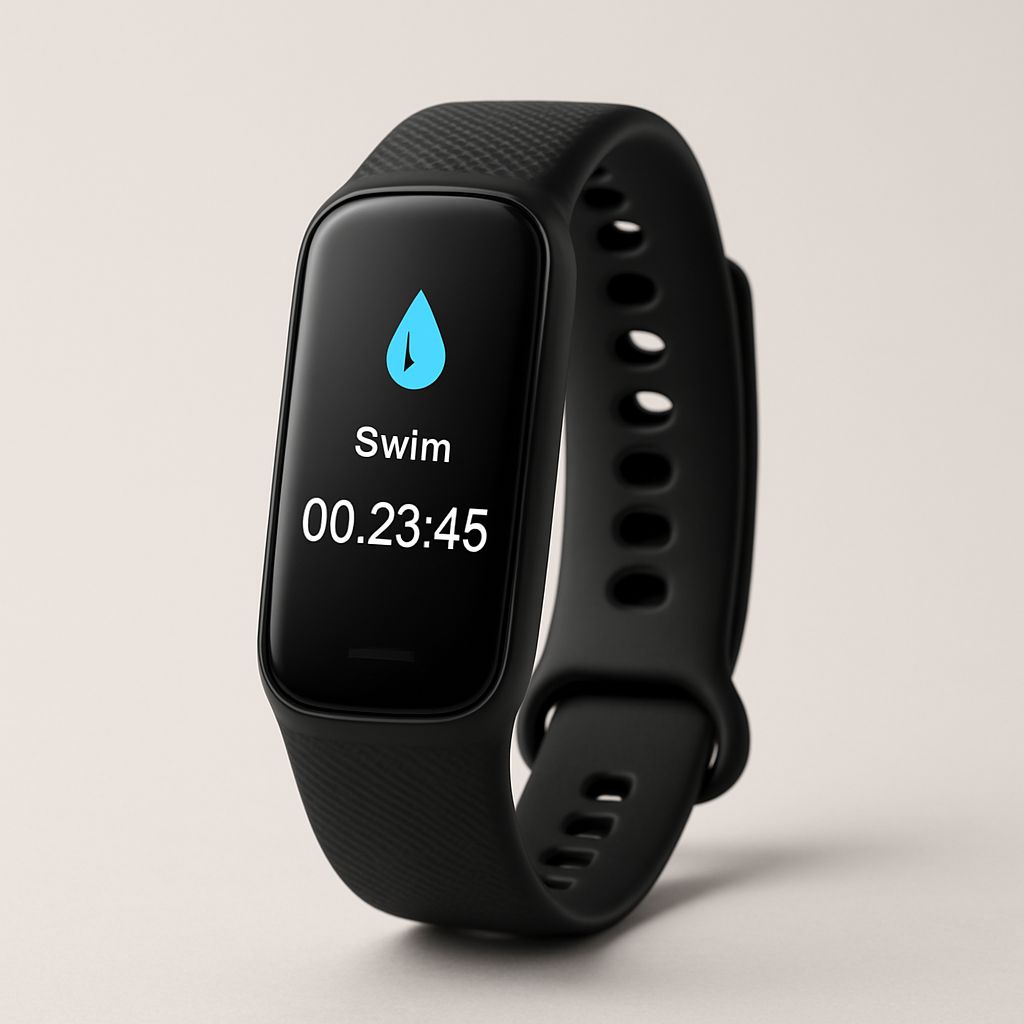
Rated for swimming and rain. Check the rating, not the marketing word: IP67 survives a dunk, IP68 handles longer immersion.
Other searches
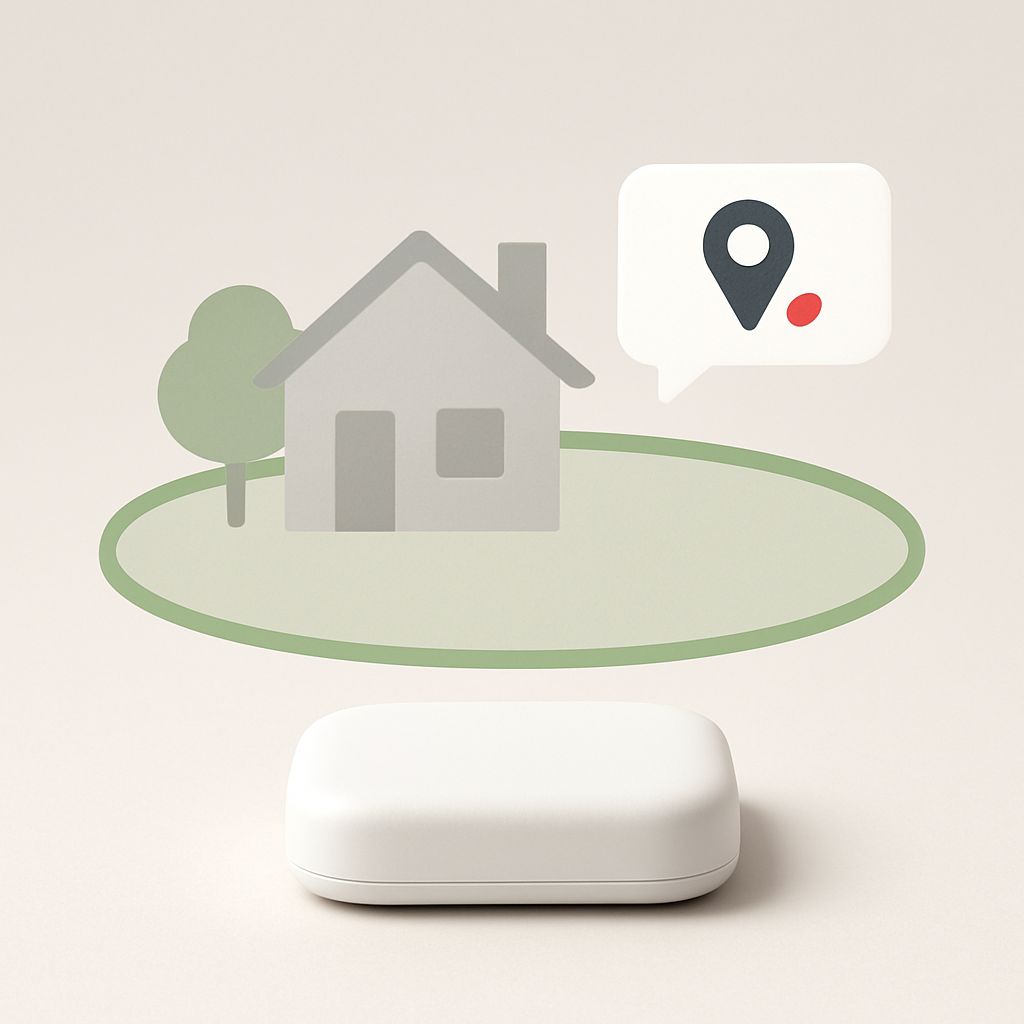
Draw a safe zone around the yard and get a push notification the moment your pet crosses it.
Other searches
Start with the honest question: is your pet a genuine escape artist, or do you just want peace of mind? A dog that clears the fence twice a month needs a cellular (LTE) tracker with fast updates, and the monthly plan is the price of that. An indoor cat who hides behind the washing machine needs a Bluetooth tag and nothing more.
After that it comes down to three numbers most listings bury: update interval in live mode (anything slower than every 5 seconds feels laggy while you are chasing a dog), battery life in that same live mode rather than the marketing figure measured in standby, and the weight relative to your pet. A good rule is that the tracker plus collar should stay under 3% of body weight, which quietly rules out most dog trackers for cats.
Buying on range alone. LTE trackers have unlimited range where there is coverage and none where there isn’t; if you hike in a valley with no signal, a tracker with offline logging and a Bluetooth finder mode is worth more than one with a better app.
Ignoring the subscription math. A cheap tracker with a €5 monthly plan costs more over two years than a pricier one with a €3 plan. Add it up before you decide.
Forgetting the collar. A heavy tracker on a thin breakaway collar will pull it open; a tracker without a breakaway collar on a climbing cat is a strangulation risk. Buy the collar for the pet, then the tracker that fits it.
Only partly. Bluetooth and community-network tags work with no monthly fee, but they only locate your pet within Bluetooth range or when another user of the same network passes nearby. Real-time GPS over LTE needs a SIM, and that means a plan — usually the equivalent of a coffee per month.
In open ground, 3–10 metres is typical. Accuracy drops indoors, in dense city blocks and under heavy tree cover, where you may see the pin jump between nearby streets. Most apps show an accuracy circle — trust the circle, not the dot.
Yes, if it is light enough and mounted on a breakaway collar. Look for units under 30 g and check the collar releases under load. Cats usually stop noticing the collar within a week if you introduce it gradually.
Standby figures are marketing. In everyday use with a few live-tracking sessions a week, expect 2–7 days for LTE trackers and several months for Bluetooth tags. Cold weather shortens both.