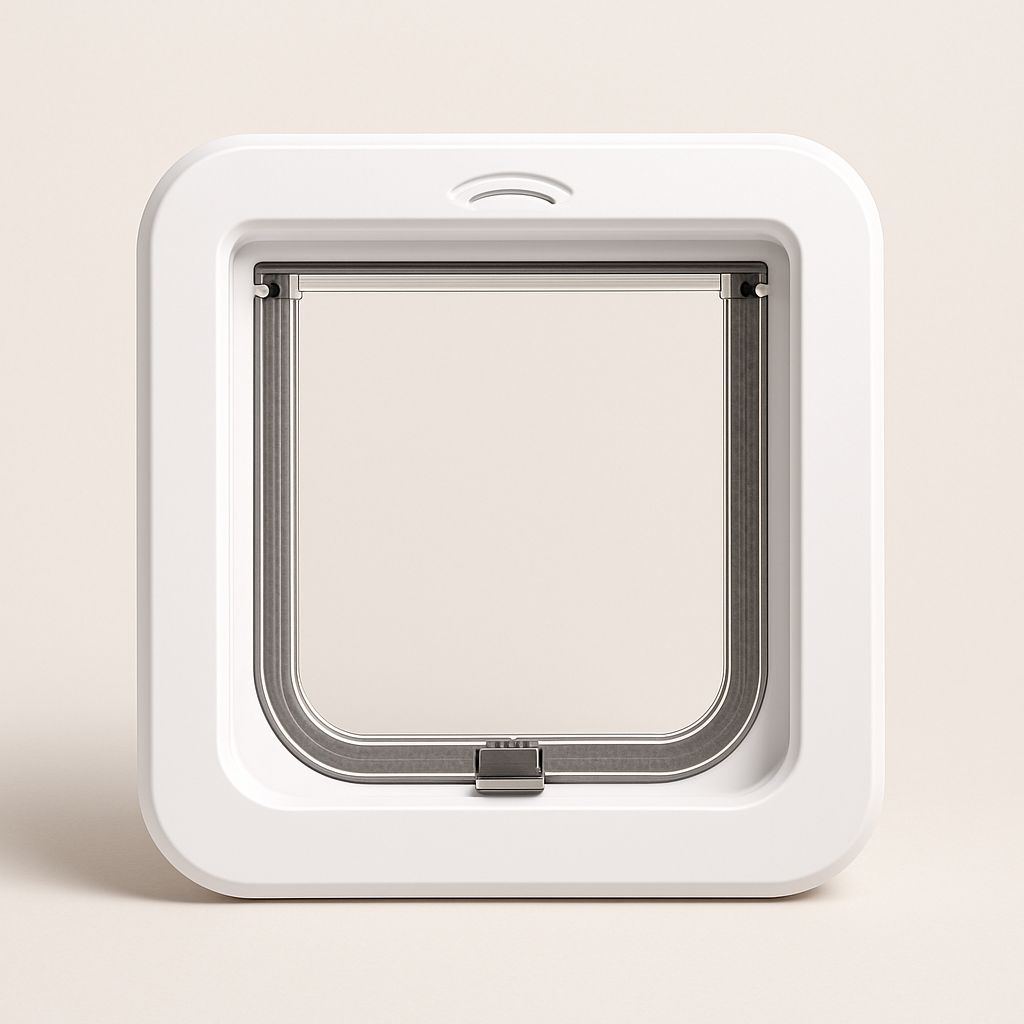
Microchip-controlled doors
Reads the chip your vet already implanted, so there is no extra collar hardware for the cat to lose.
- Uses existing chip
- Up to ~30 pets
- Curfew mode
Other searches
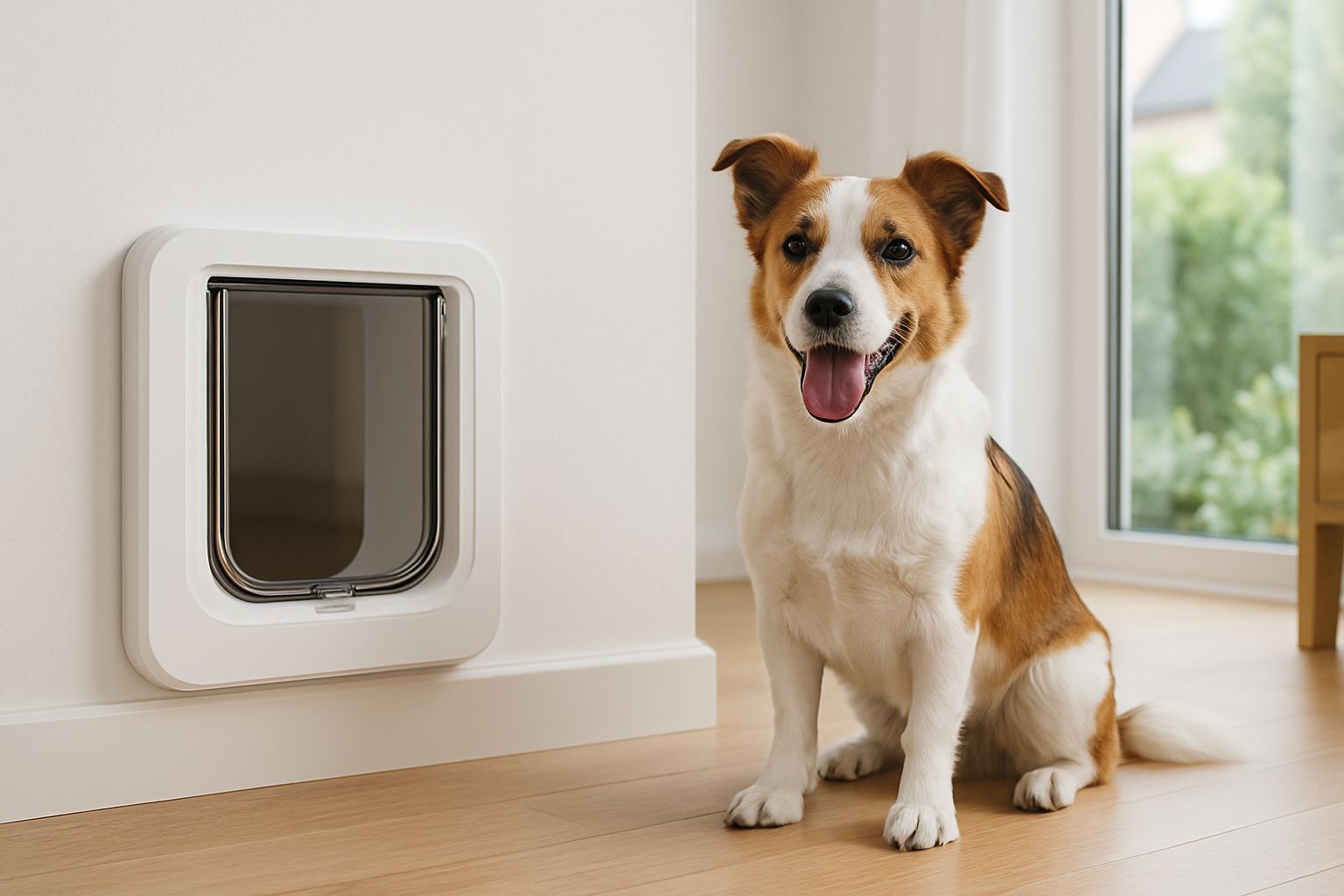
Only your pet gets in
Smart pet doors open only for a registered microchip or collar tag, which keeps strays and wildlife out. Fitting is the hard part: measure the pet's shoulder height and the door or wall thickness first, and check whether the model needs a tunnel extension.
Each pick links to a live Amazon search — prices and models stay current.
Reads the chip your vet already implanted, so there is no extra collar hardware for the cat to lose.
Other searches
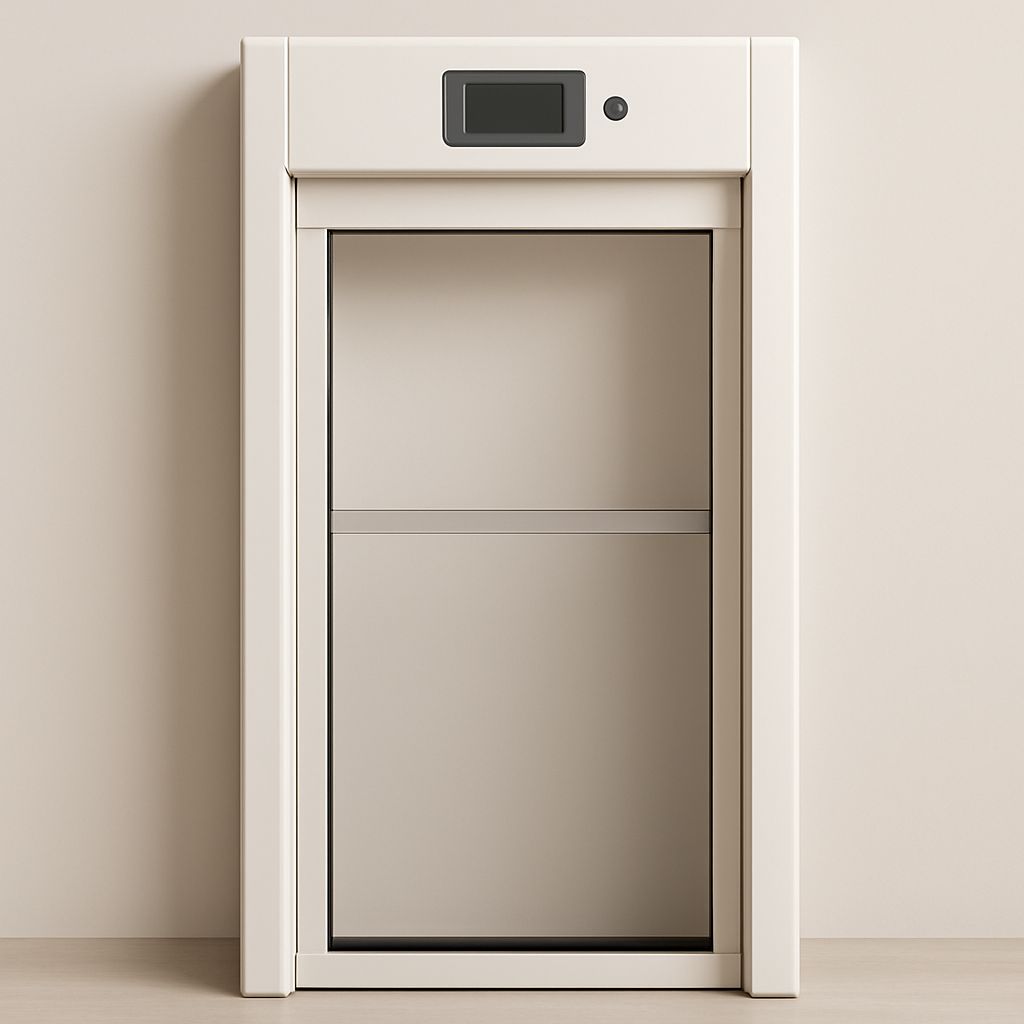
Motorised panels slide open for large breeds; check the opening height against your dog standing, not sitting.
Other searches
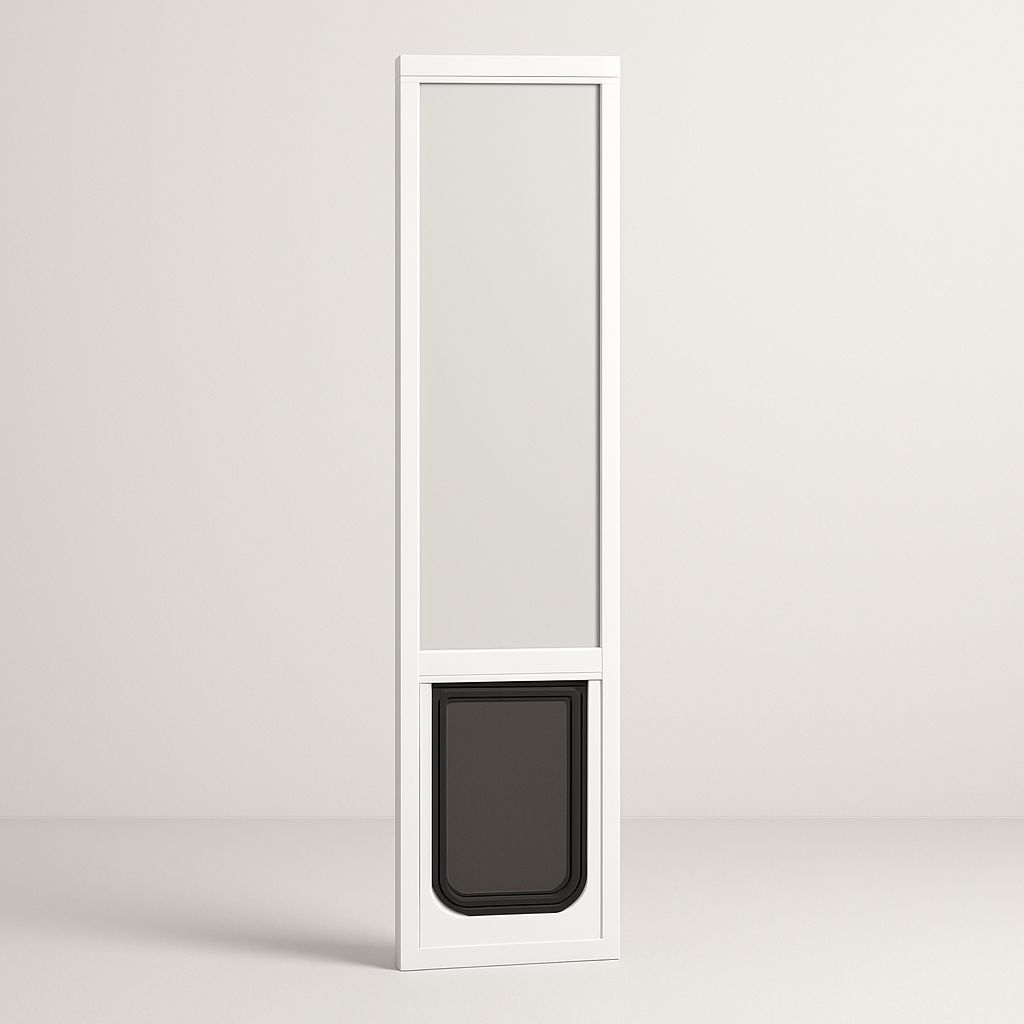
Panel inserts fit into the track of a patio door: the renter-friendly option, removable when you move.
Other searches
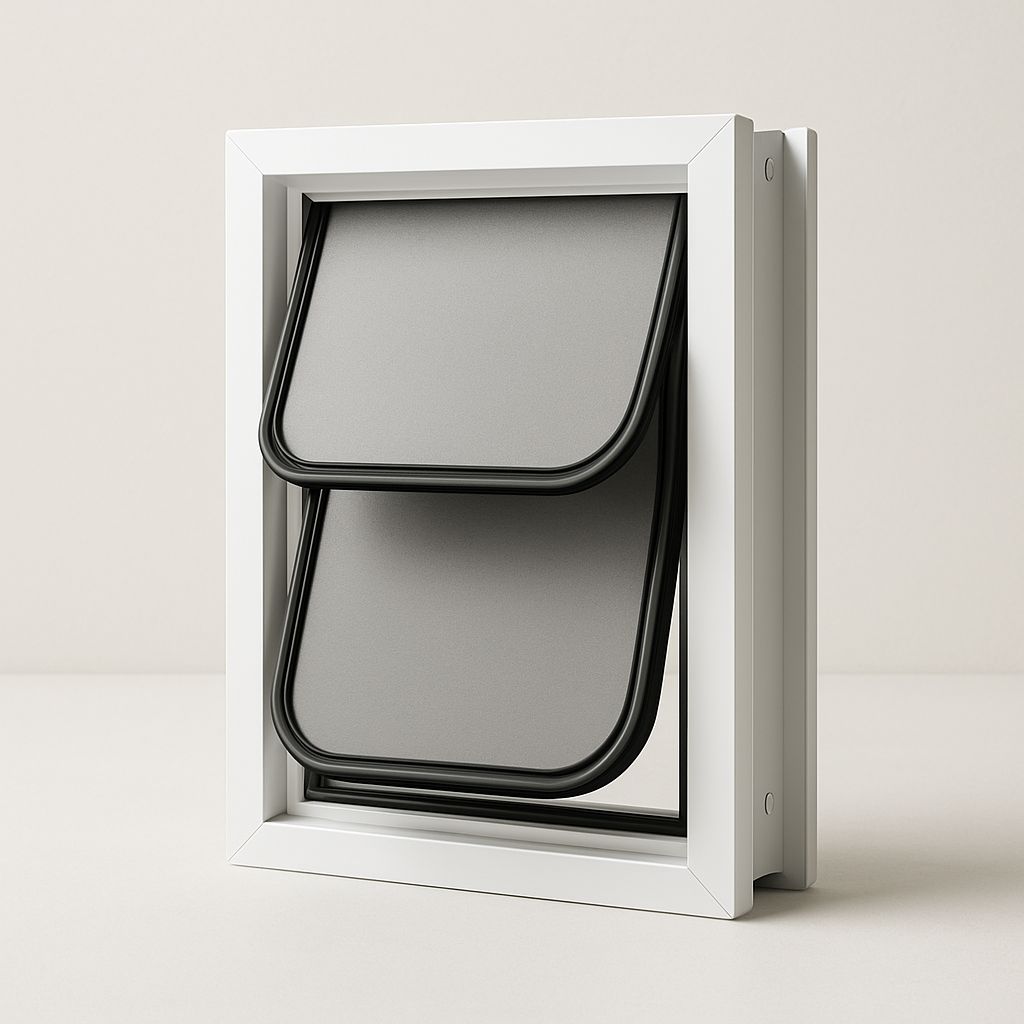
Dual flaps and magnetic seals stop the heating-bill argument that follows every cheap flap.
Other searches
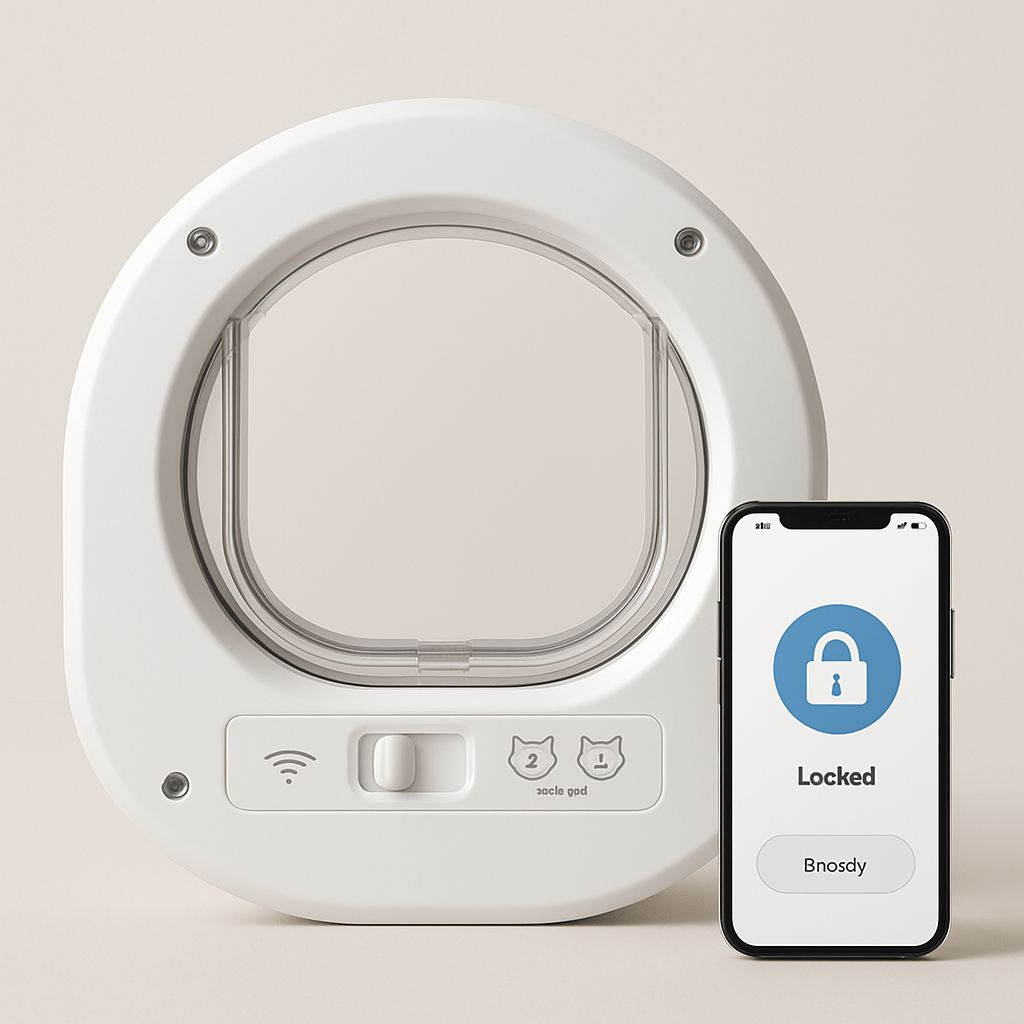
Lock the door at night automatically, or set in-only mode so the cat can come home but not go back out.
Other searches
Fitting is where smart pet doors go wrong. Measure your pet’s shoulder height and chest width, then check the flap opening, not the outer frame. The step-over height should be no more than about a third of your pet’s shoulder height, or an older animal will refuse to use it.
Then measure the door or wall. Walls need a tunnel extension; glass needs a professional cut and, in many cases, a new pane. Renting? A sliding-door insert panel gives you the same function with no permanent change and comes with you when you move.
Microchip models read the chip your vet already implanted, which is the least fussy option — nothing extra on the collar to lose. RFID collar tags are the alternative when the chip cannot be read reliably.
Battery life is the practical annoyance: motorised or heavily used doors chew through cells in a few months, and a dead door in winter is a draught you cannot close. Models with a mains adapter option are worth the extra.
Curfew and in-only modes are the features owners end up using daily — locking the flap at night, or letting the cat come home while keeping them from going back out before a vet visit.
Almost. Common 15-digit ISO chips are universally supported; some older 9- and 10-digit US chips are supported by specific brands only. Check your pet’s chip number format against the manufacturer’s list before buying.
It is possible if a determined animal moves through the same open flap, but selective doors close quickly and most also lock in one direction. A tunnel extension makes tailgating much harder.
A small flap in a solid door is a low risk; a large dog door in a ground-floor door is a real one. Choose a model with a physical locking cover and avoid fitting large flaps next to door handles.
Typically 6–12 months for a magnetic cat flap and 2–6 months for a motorised dog door in daily use. Cold weather roughly halves it, so plan for a mains option if the door is exposed.