Activity and sleep trackers
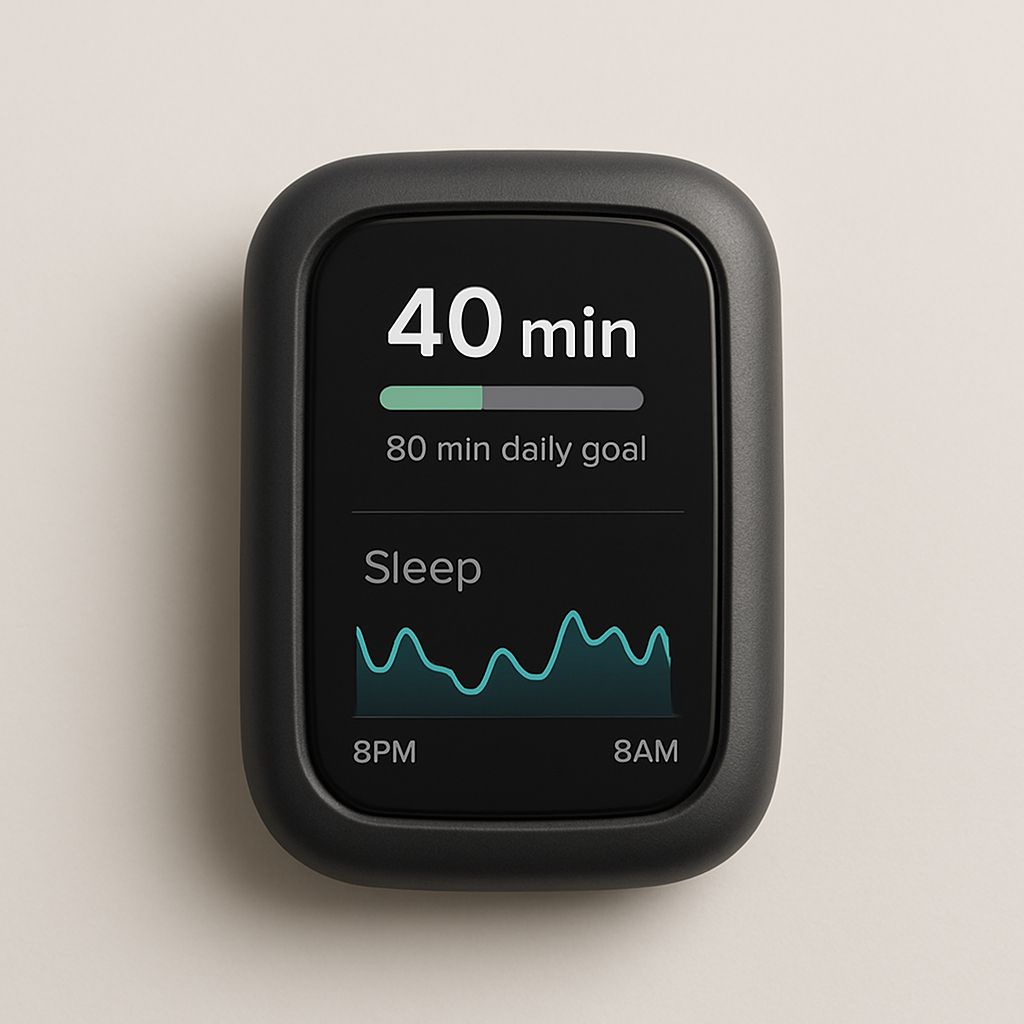
Daily goals based on breed and age; the sleep graph is the part vets actually find useful.
- Breed-based goals
- Sleep quality graph
- Weeks of battery
Other searches
Sleep, activity and heart-rate data
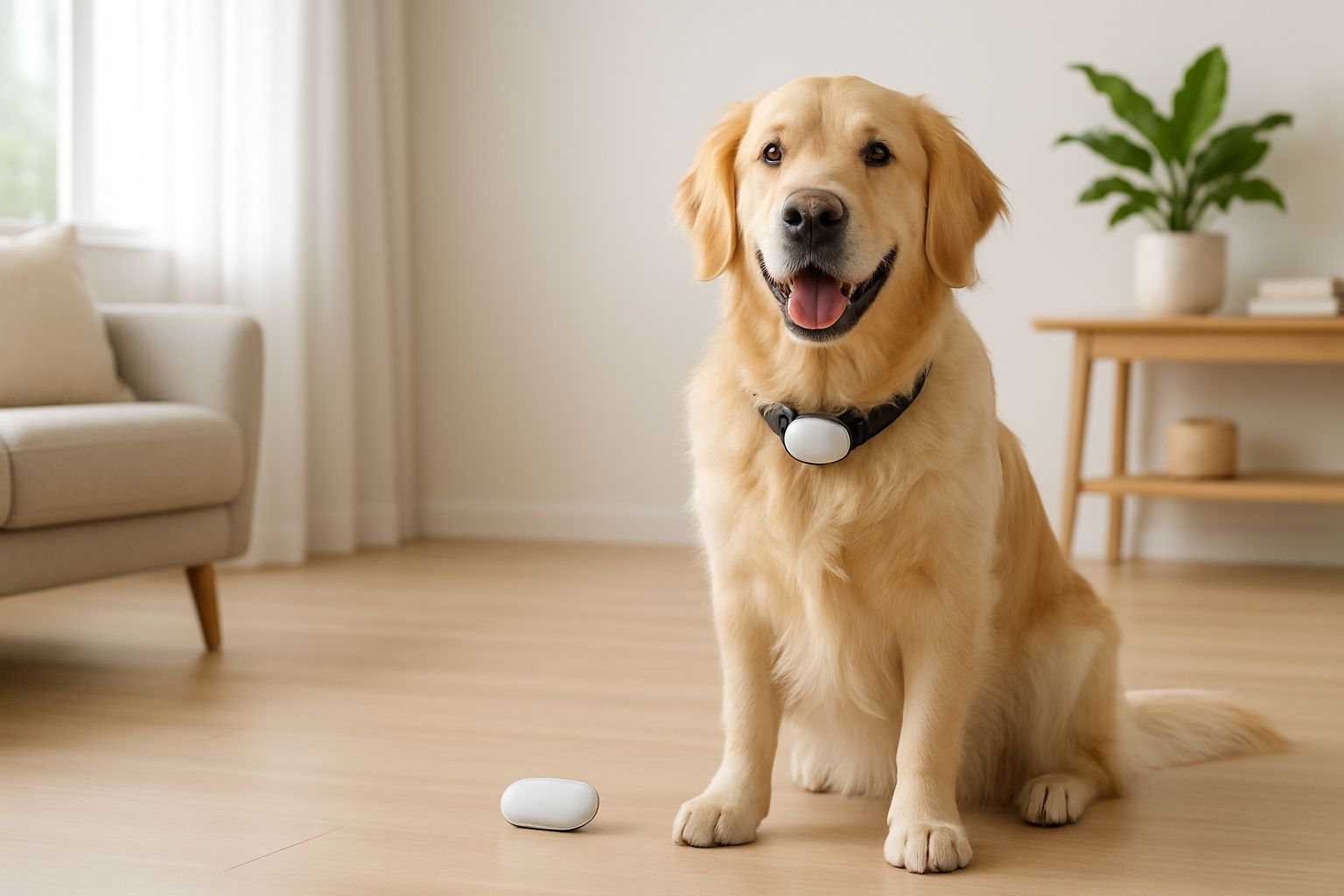
Activity and health monitors clip to the collar and log movement, rest and sometimes heart or respiratory rate. They are most useful for weight-management plans and for spotting the day your pet stops moving normally; the trend matters more than any single number.
Each pick links to a live Amazon search — prices and models stay current.
Daily goals based on breed and age; the sleep graph is the part vets actually find useful.
Other searches
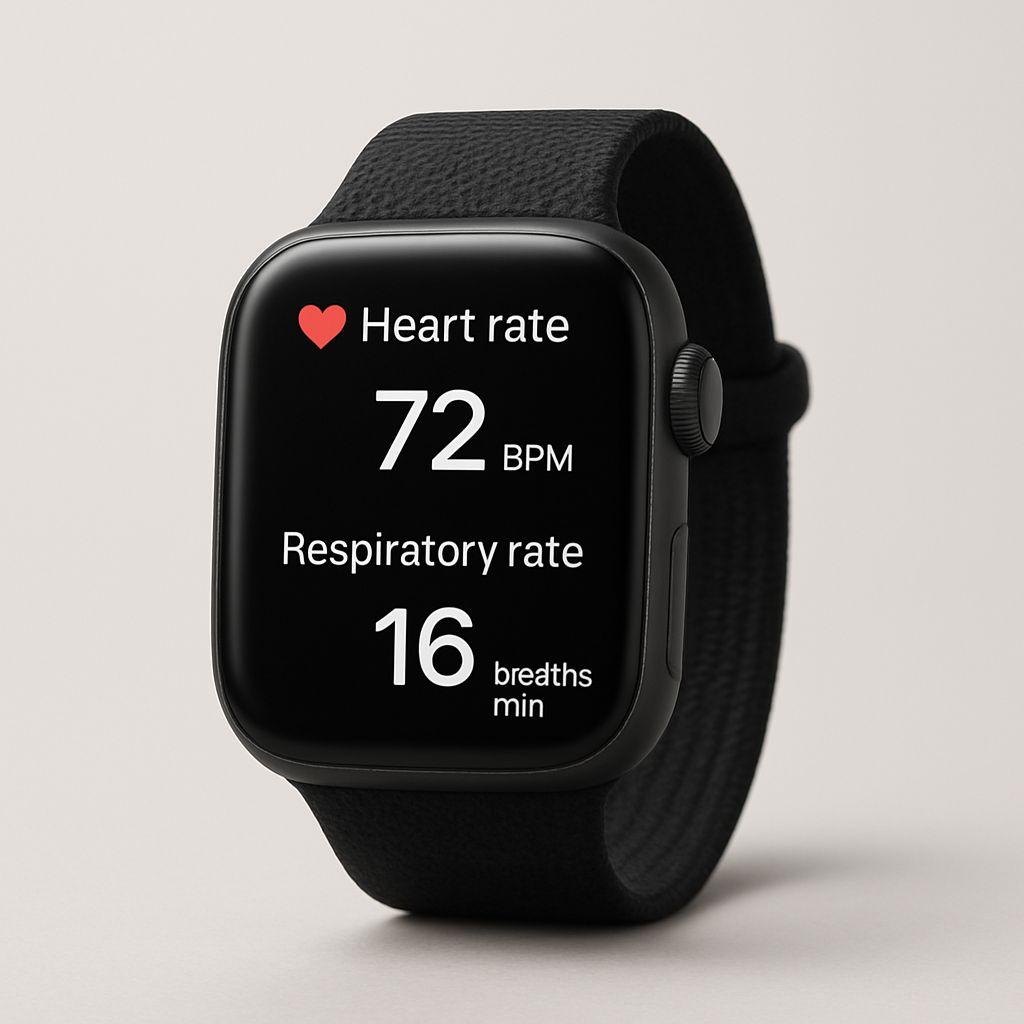
Resting respiratory rate is a standard home measure for heart-disease follow-up; wearables automate the counting.
Other searches
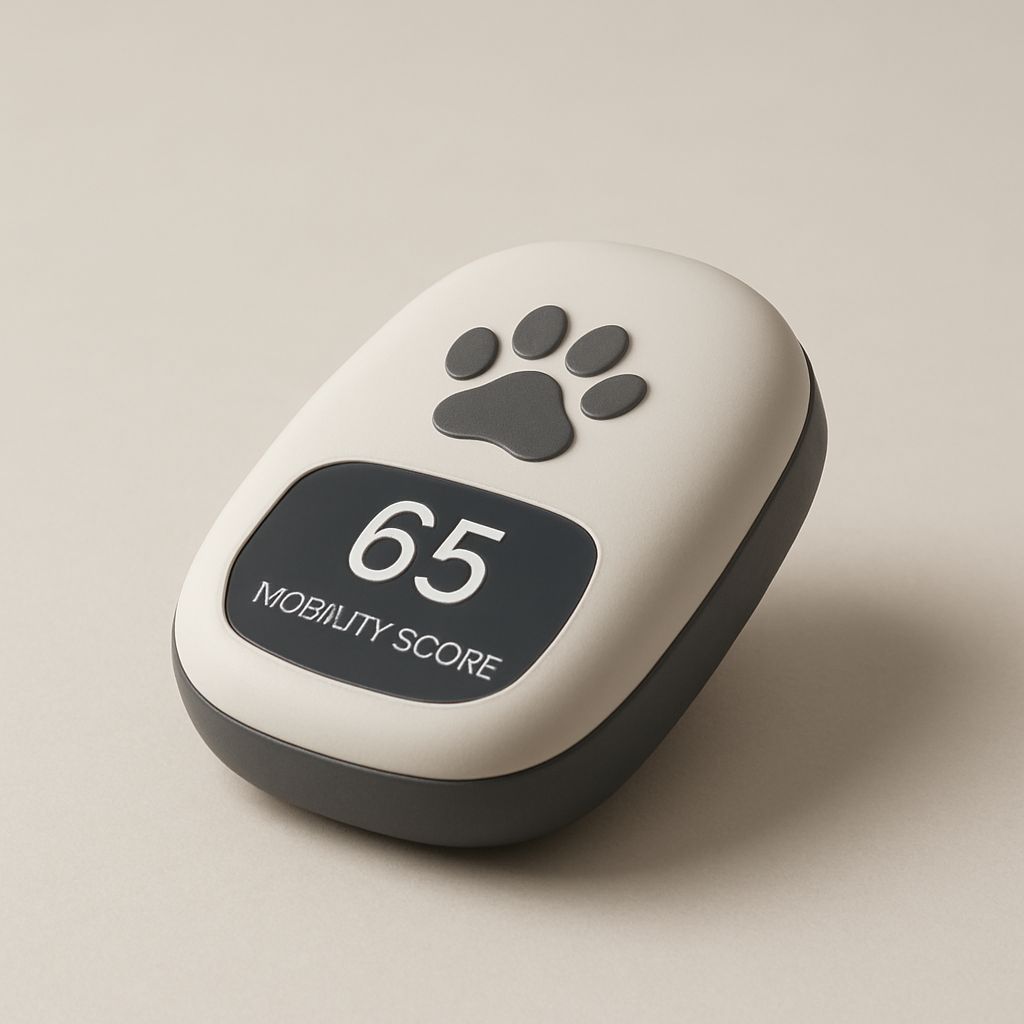
Mobility scoring picks up arthritis pain earlier than most owners do, because the decline is gradual.
Other searches
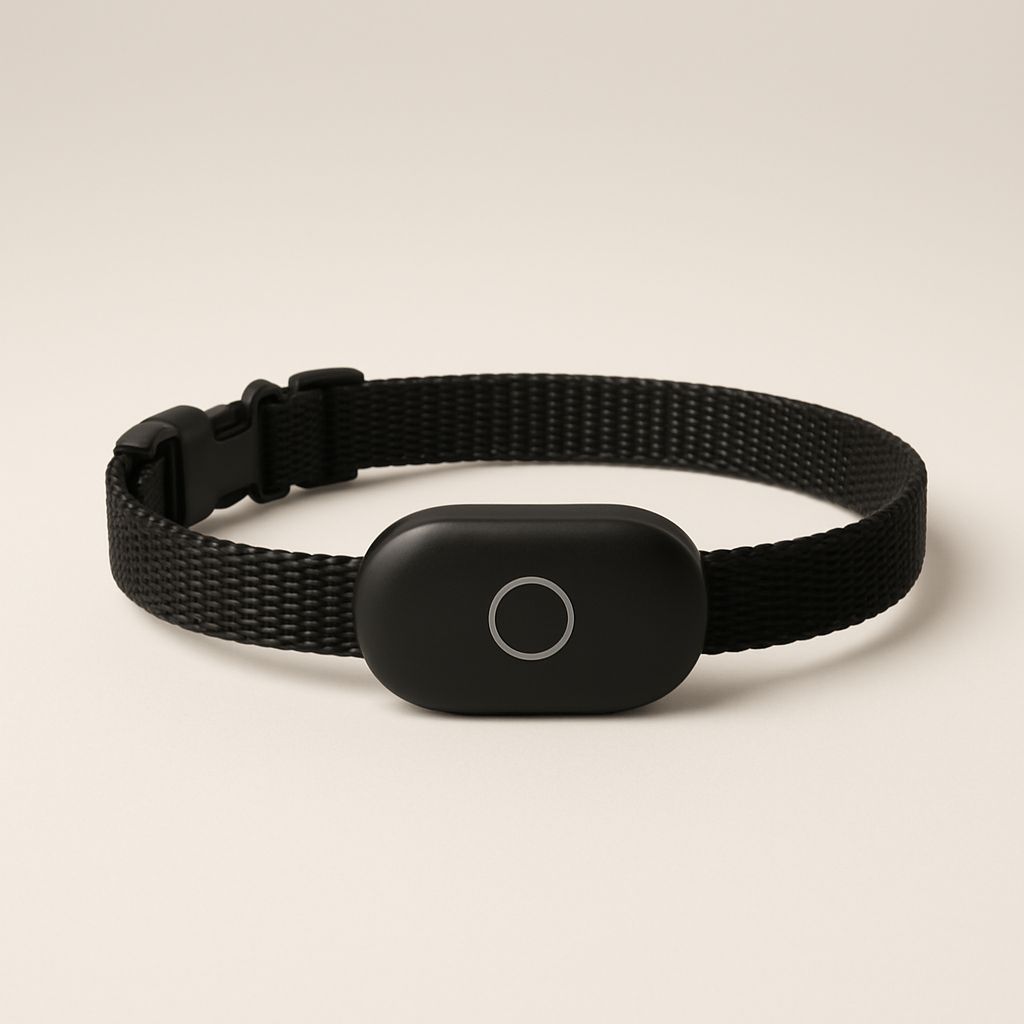
Light enough for a cat and paired with breakaway safety; tracks scratching and grooming as well as activity.
Other searches
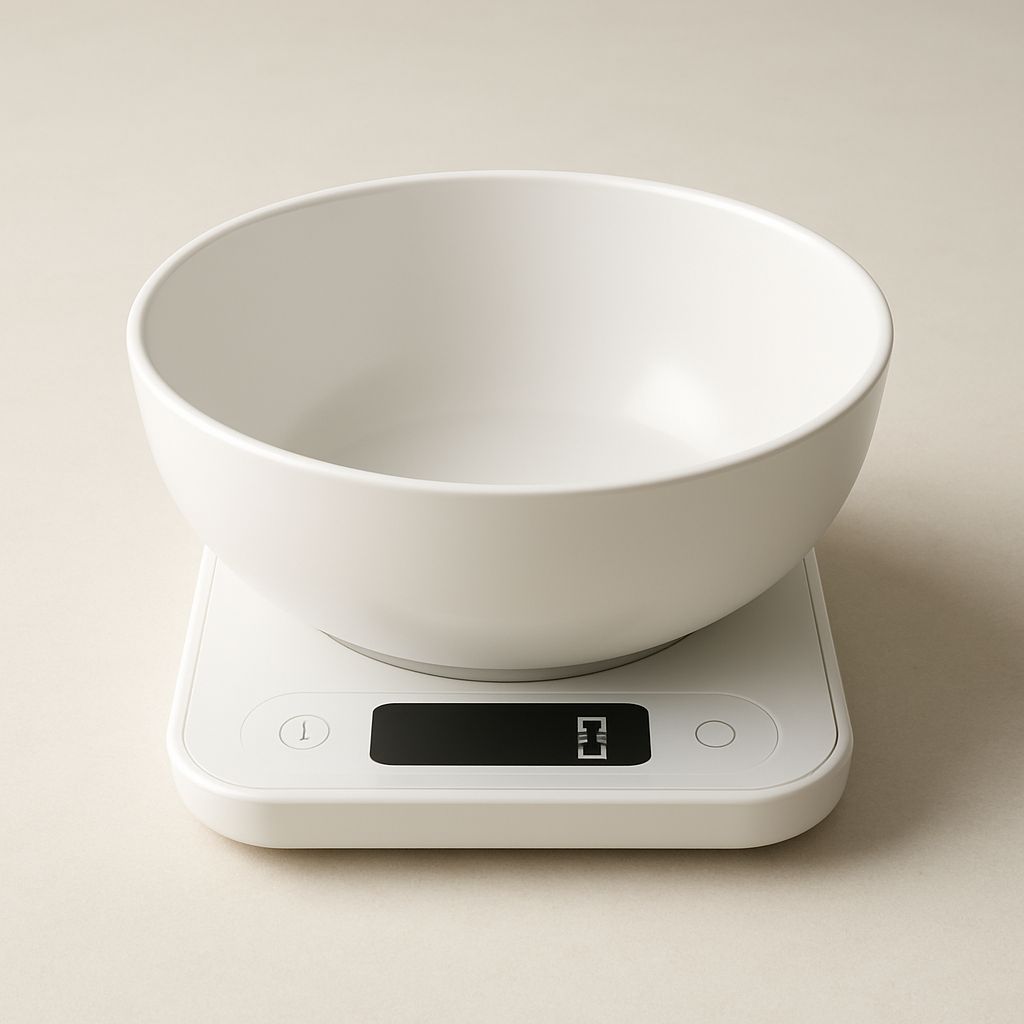
Smart bowls and scales turn "he looks fine" into grams per day, which is what actually reverses obesity.
Other searches
The single most useful thing a pet wearable does is establish what normal looks like for your animal. Once you have weeks of baseline sleep and activity, the day something changes stands out — and that change is usually the first sign of pain, illness or stress, days before you would notice it by eye.
Resting respiratory rate is the standout metric for dogs with diagnosed heart conditions; vets already ask owners to count breaths at home, and a wearable does the counting reliably. Activity minutes are the other genuinely useful number, mainly because they turn a weight-loss plan into something you can measure.
Trends beat readings. A single high heart-rate spike while the postman rings the doorbell means nothing; a week of elevated resting rate means a vet appointment.
Be sceptical of anything marketed as diagnosis. These devices are screening tools, and no consumer wearable can rule out disease. What they can do is give your vet a chart instead of your memory, which turns “he’s been a bit quiet lately” into a dated record.
It can flag changes — less activity, restless sleep, a higher resting respiratory rate — that often accompany illness. It cannot diagnose. Treat an alert as a reason to book an appointment, not as an answer.
Basic activity tracking is usually included. Advanced health analytics, long history and vet-report features are often behind a plan. Check what happens to your data if you stop paying.
Cat-specific models weigh under about 15 g and attach to a breakaway collar. Dog trackers are usually too heavy and put constant strain on a cat’s neck.
Good enough for trends, not for clinical use. Accelerometers see stillness, so a very lazy afternoon can register as sleep. The value is in comparing this week with last week, not in the absolute hours.