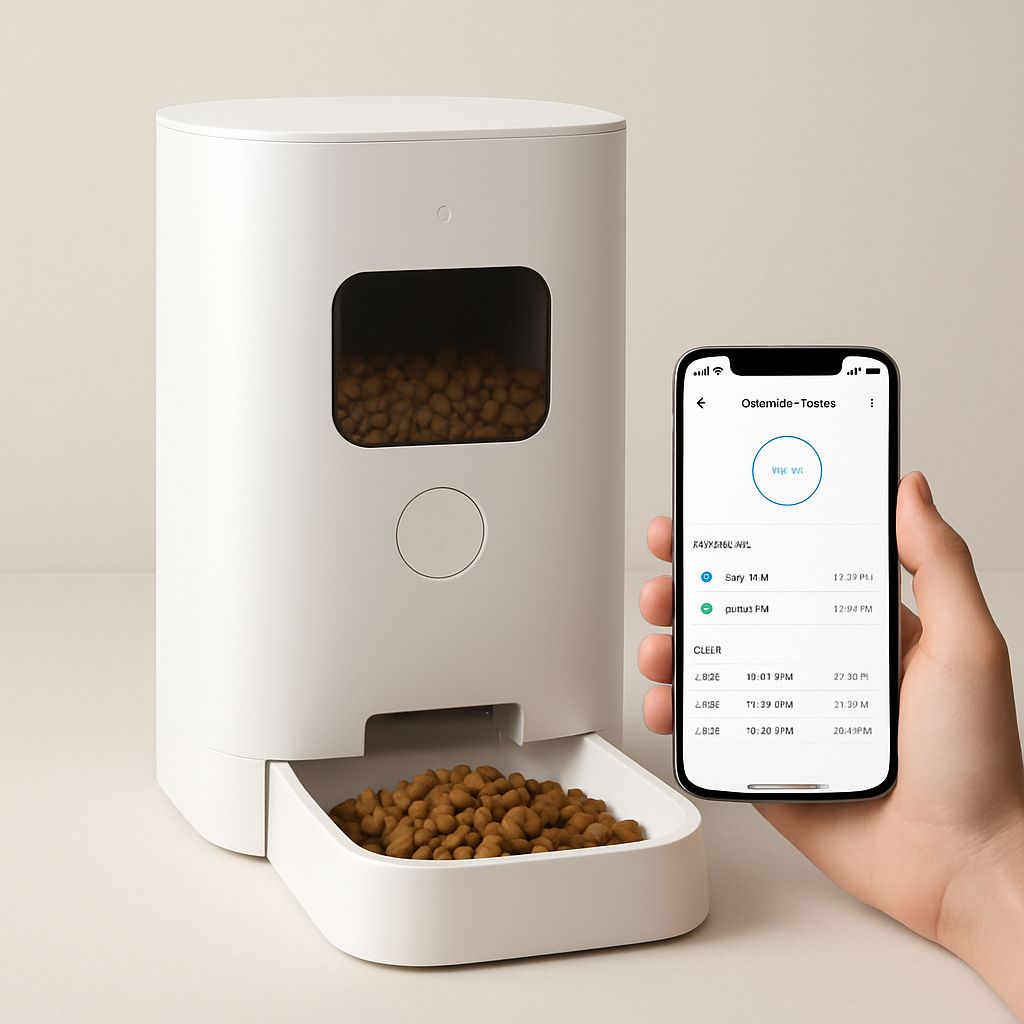
Wi-Fi feeders with app scheduling
Set meals from your phone, feed manually when you are running late, and see a log of what was actually dispensed.
- Schedule from anywhere
- Dispense log
- Voice recording for meals
Other searches
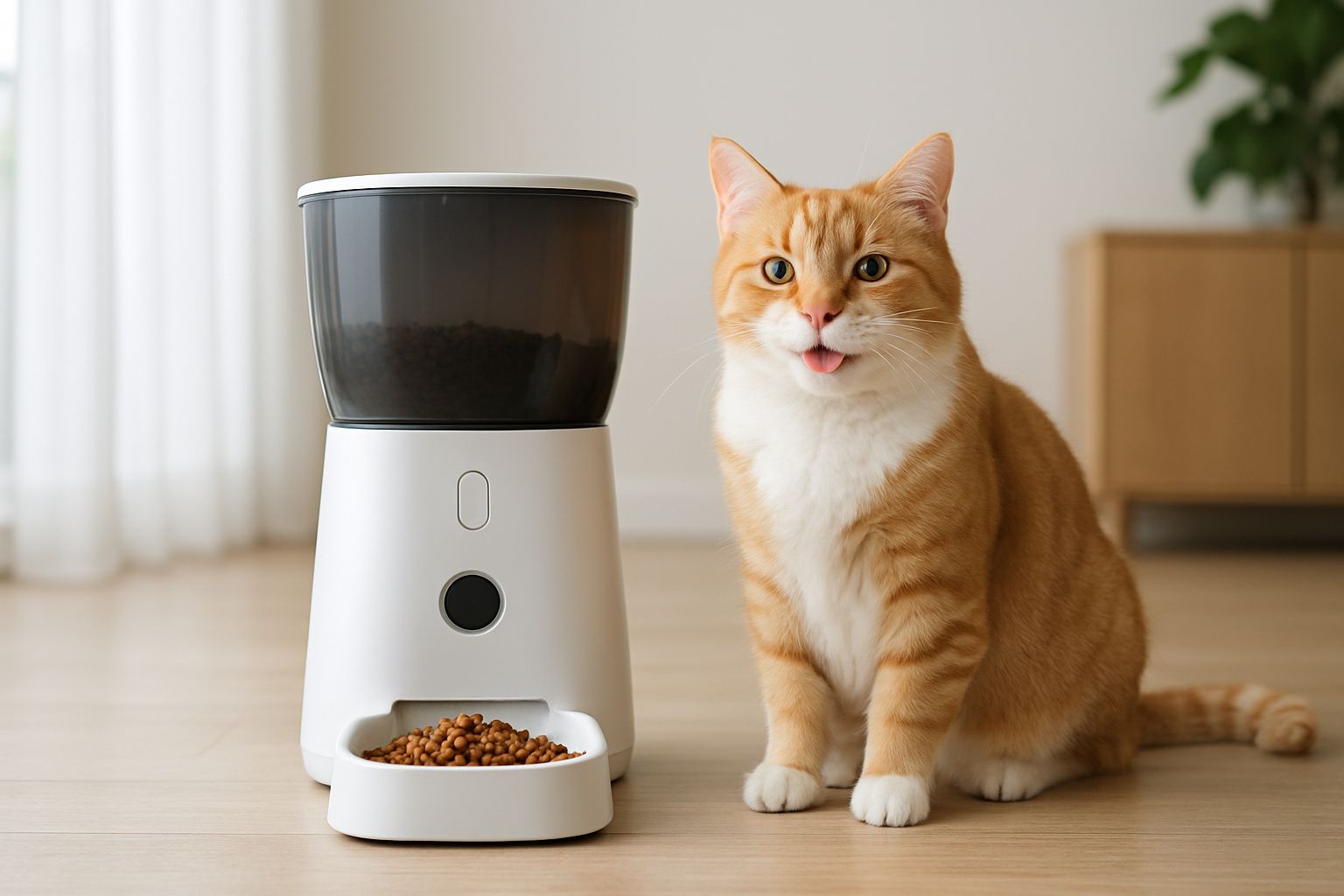
Scheduled portions, controlled from your phone
Automatic feeders solve two problems: portion control and feeding on time when you are not home. What matters is hopper size, whether it handles wet food, whether it keeps feeding during a power cut, and how reliably the portion mechanism copes with small kibble.
Each pick links to a live Amazon search — prices and models stay current.
Set meals from your phone, feed manually when you are running late, and see a log of what was actually dispensed.
Other searches
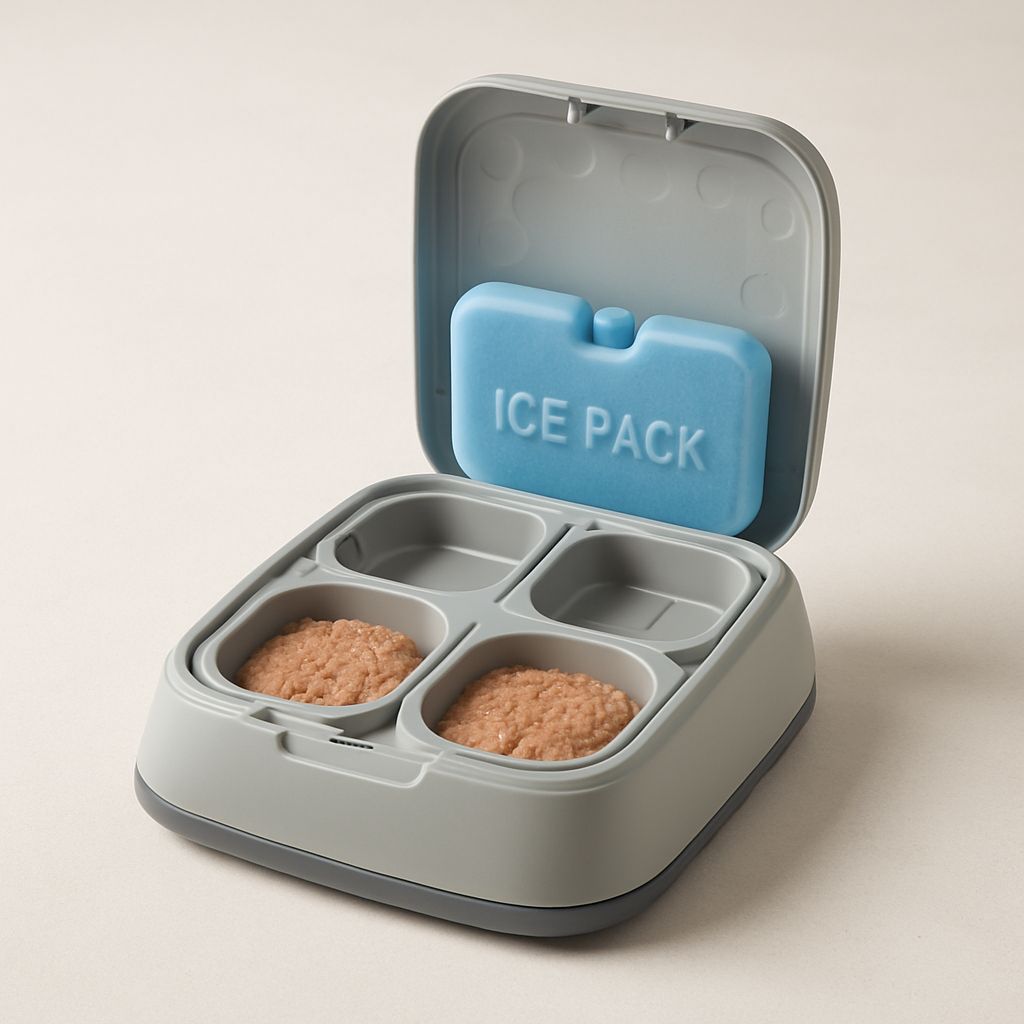
Sealed compartments with an ice pack keep pate fresh for a workday. Usually 2-6 meals per fill.
Other searches
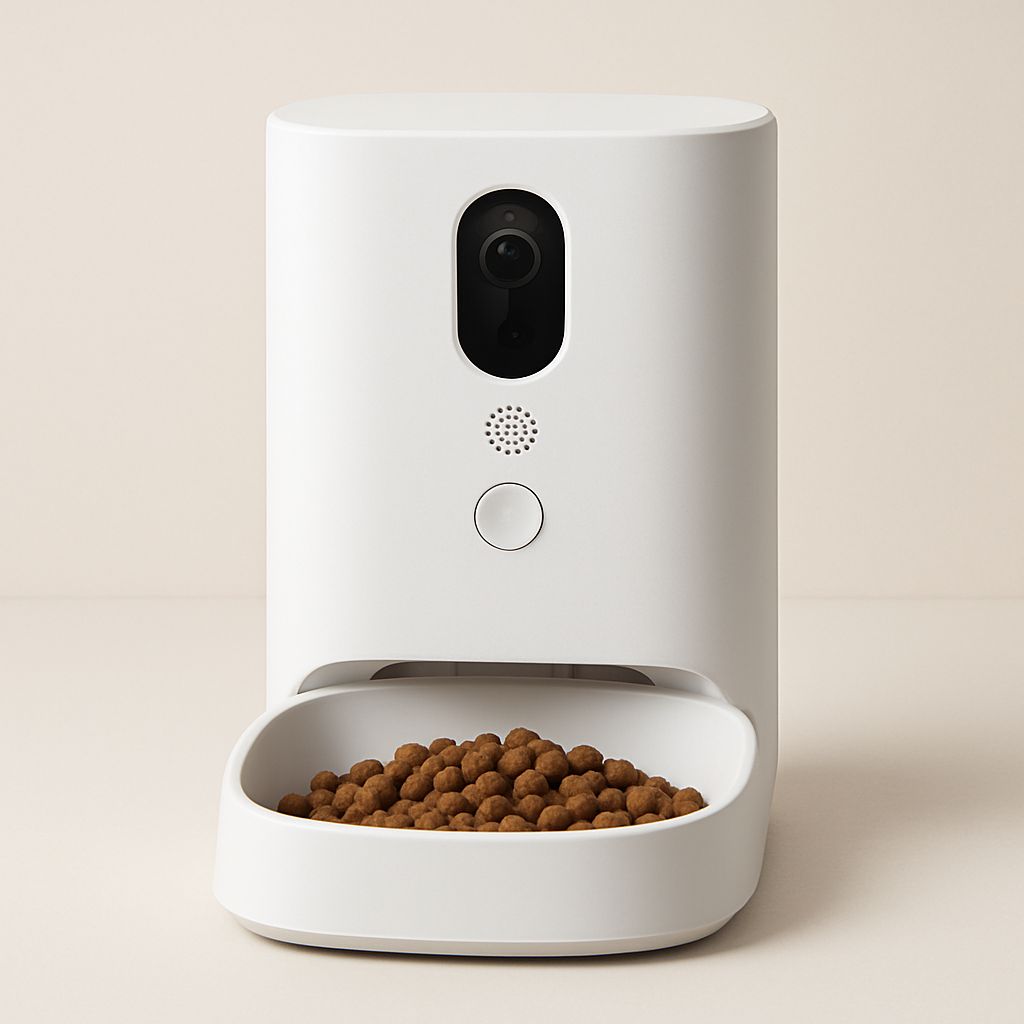
See whether your pet actually ate and talk to them at meal time. Handy for pets on a vet diet plan.
Other searches
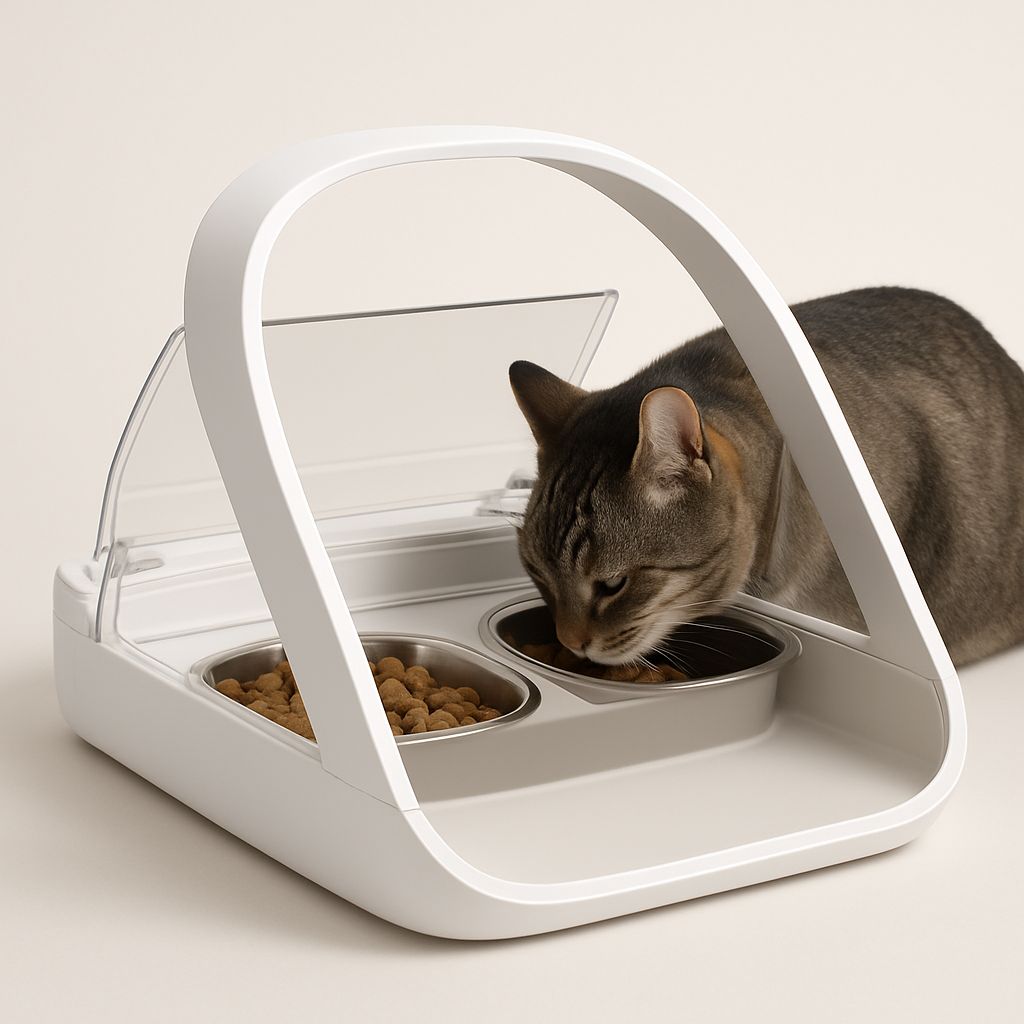
The lid opens only for the registered chip or tag, so the cat on a diet cannot raid the other bowl.
Other searches
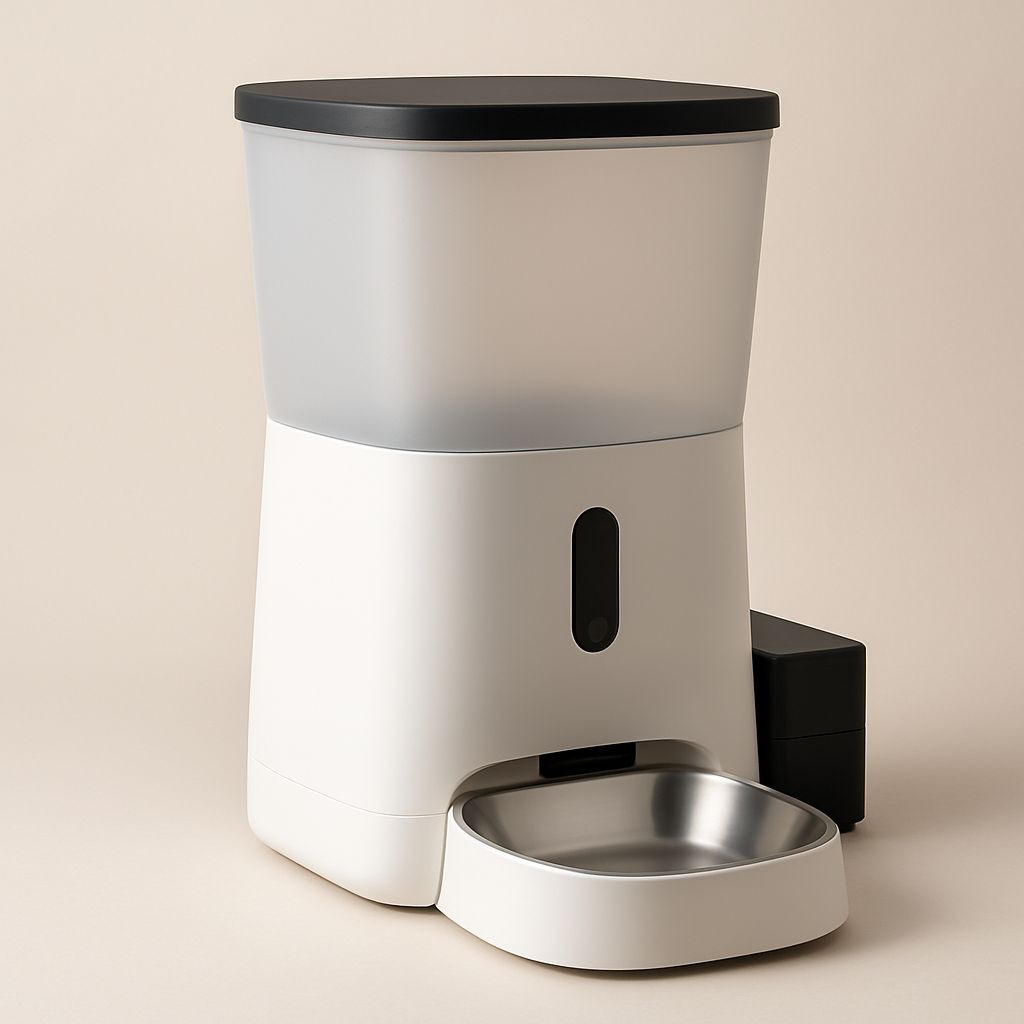
5-6 L hoppers plus batteries mean meals still go out during a power cut or a weekend away.
Other searches
The biggest split is dry versus wet food. Hopper feeders handle kibble well and hold days of food; wet food needs sealed compartments and an ice pack, which limits you to a workday rather than a weekend.
Then look at portion accuracy. Cheap augers struggle with very small or oddly shaped kibble — either jamming or over-dispensing. If your pet is on a measured diet, prefer models with a gram-level setting and a dispense log you can check, not just a scoop-count.
Battery backup is not optional if the feeder is the only meal source: a power cut at 3 a.m. should not mean a skipped breakfast. Wi-Fi models should also keep the schedule locally so a router reboot doesn’t stop feeding.
If you have more than one pet, a plain feeder just feeds whoever gets there first. Microchip-controlled bowls solve that properly and are the only realistic way to run two diets in one house.
Finally, check how it comes apart. A feeder you cannot fully disassemble becomes a bacteria trap, and stale kibble oil smells fast.
Some can. Look for sealed compartments with an ice-pack tray; they keep pâté acceptable for roughly 6–10 hours indoors. For a whole weekend away, wet food is not the right tool — use dry food or a pet sitter.
Models with battery backup keep dispensing on schedule; models without simply stop. Check that the batteries also power the motor, not just the clock — a few cheaper units keep time but cannot turn the auger.
Only microchip or RFID models. They read the chip your vet already implanted and open the lid for one pet at a time, which stops the classic problem of the diet cat eating the other one’s food.
Wash the bowl daily and the hopper weekly. Kibble leaves an oily residue that goes rancid, and that is the usual reason a pet suddenly refuses food from an automatic feeder.