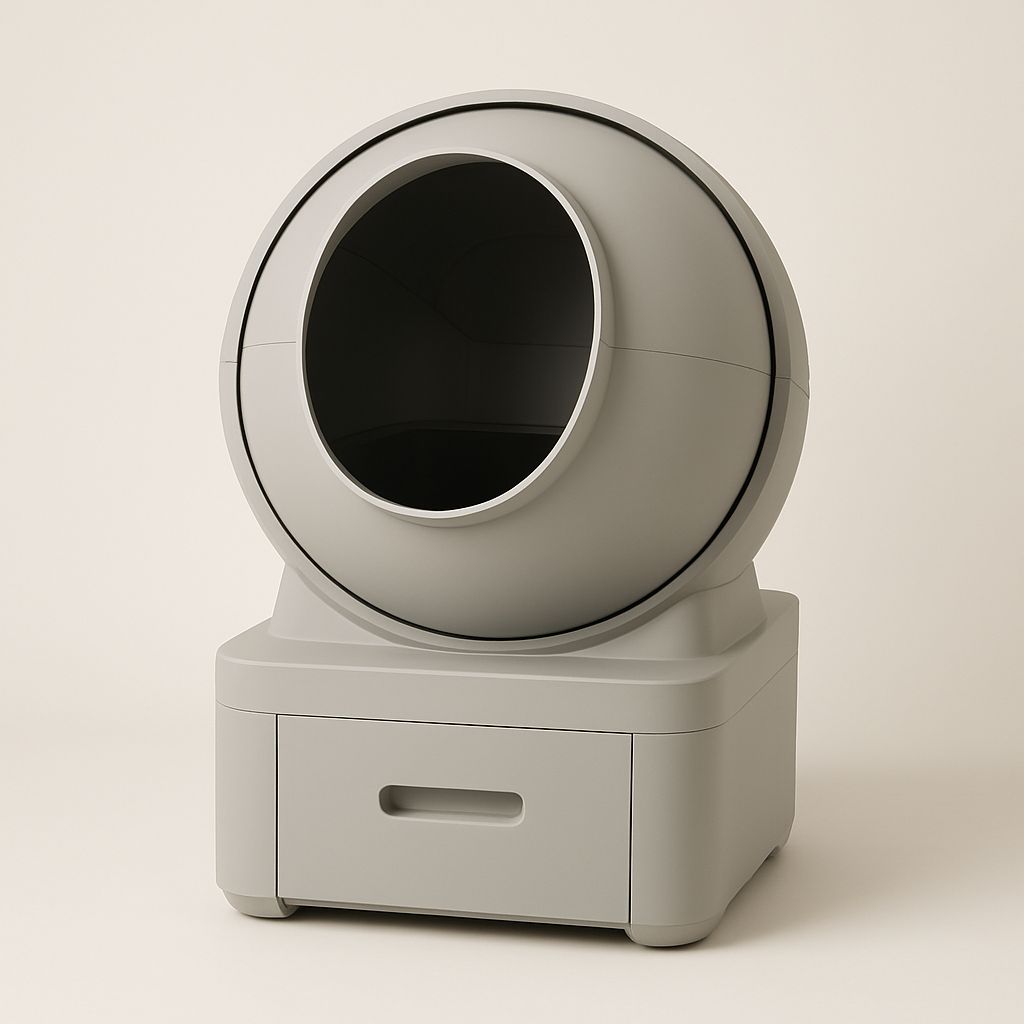
Rotating globe boxes
A rotating drum sifts clumps into a sealed drawer. Roomy inside, but they need ceiling height and floor space.
- Sealed waste drawer
- Roomy interior
- App cycle log
Other searches
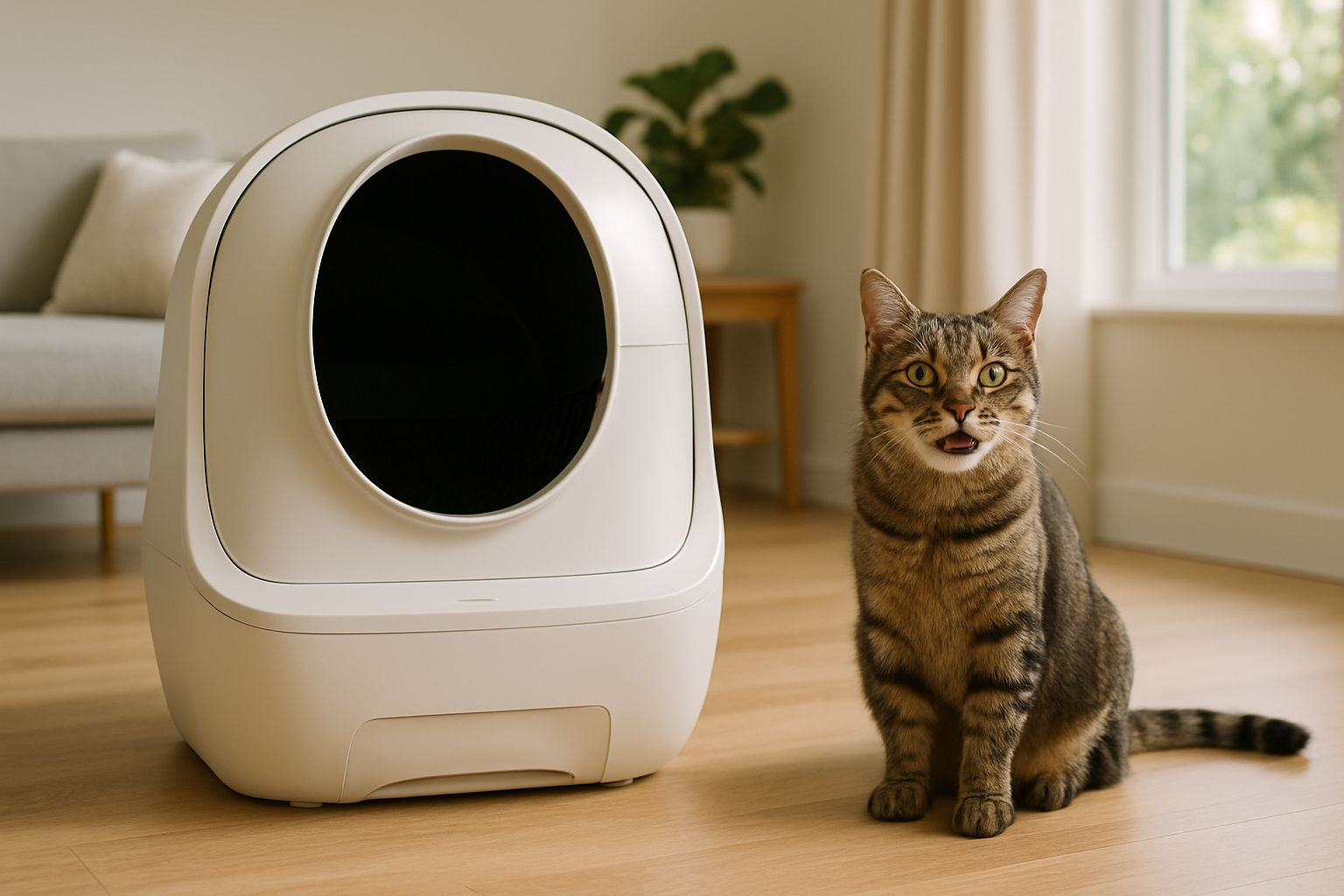
A litter box that cleans itself
Self-cleaning litter boxes rake or rotate waste into a sealed drawer minutes after the cat leaves. The real questions are entry size for large cats, how reliable the safety sensors are, how loud the cycle is, and the ongoing cost of proprietary waste bags.
Each pick links to a live Amazon search — prices and models stay current.
A rotating drum sifts clumps into a sealed drawer. Roomy inside, but they need ceiling height and floor space.
Other searches
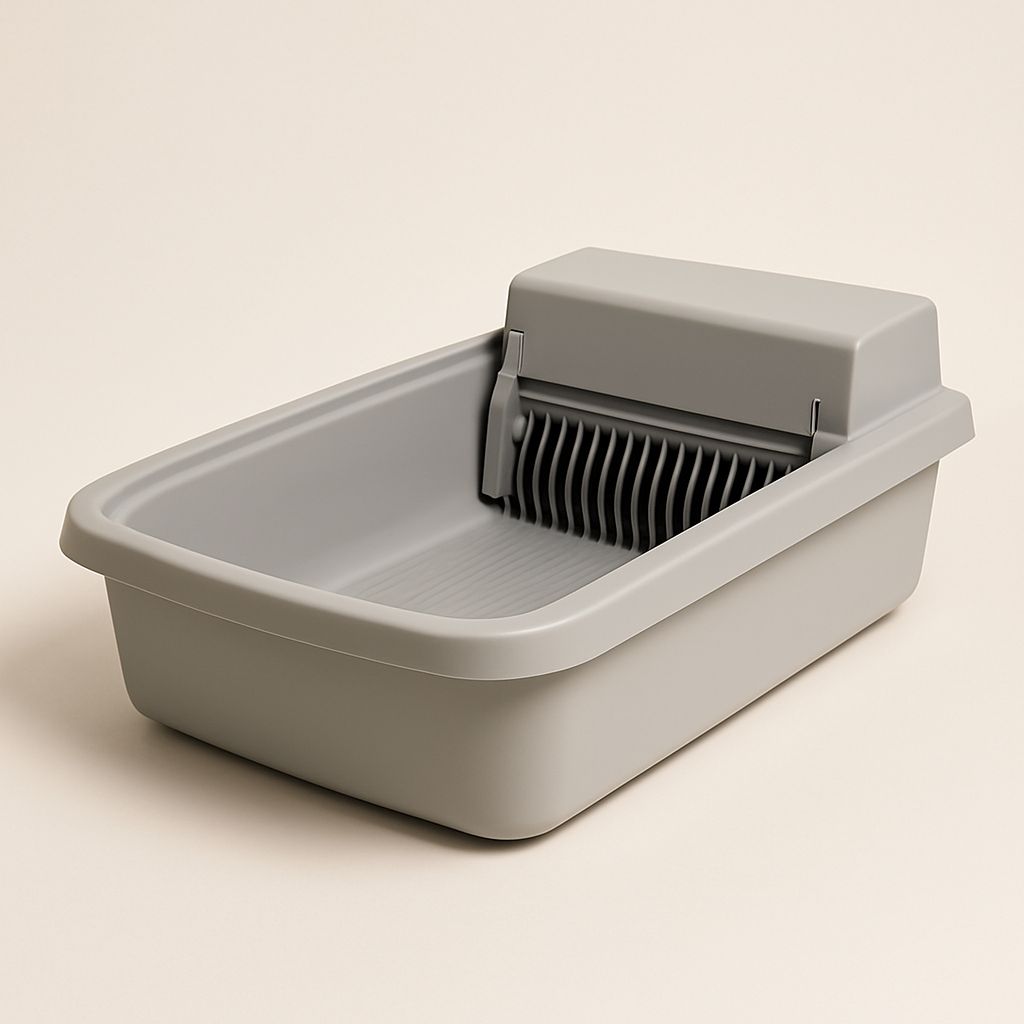
Cheaper and lower-profile; the rake needs litter that clumps hard, otherwise it drags waste around.
Other searches
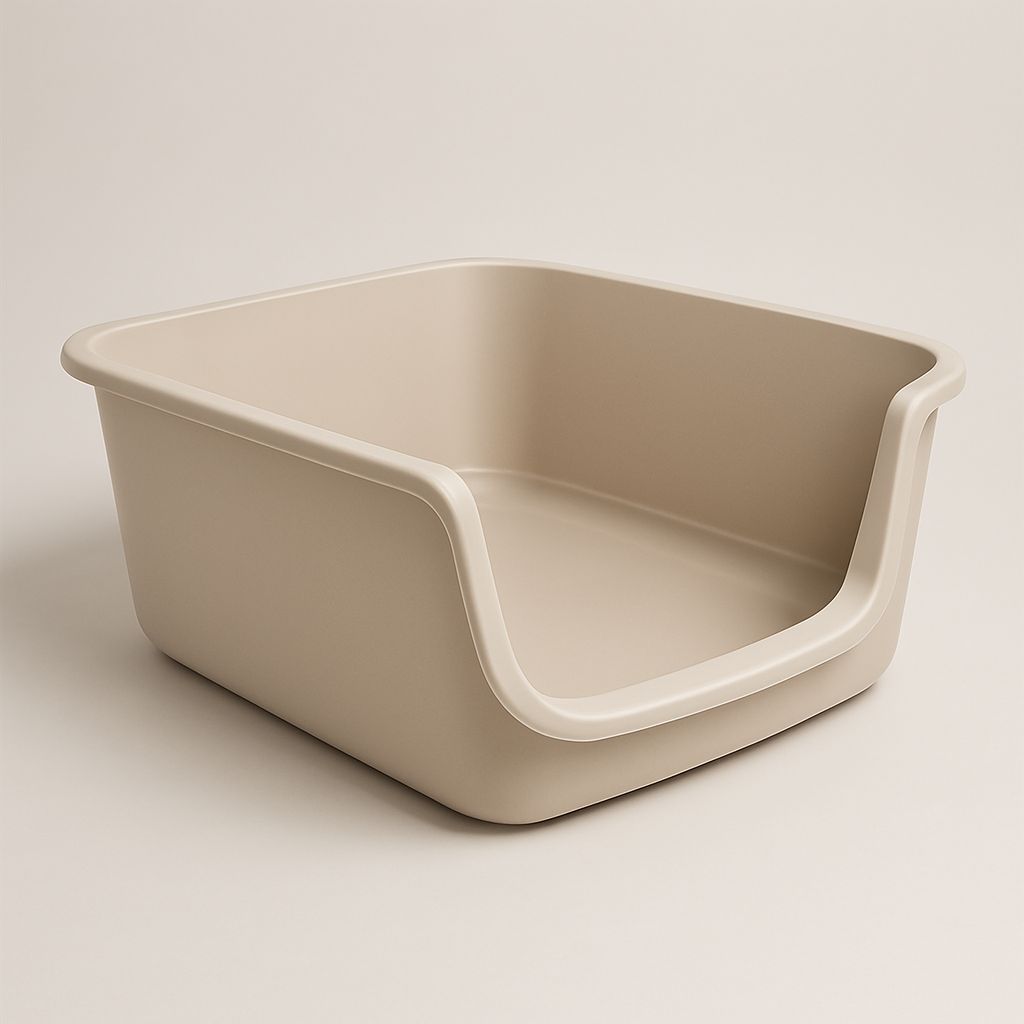
Maine Coons and 7 kg+ cats need a wide entry and a deep bowl. Measure your cat before buying.
Other searches
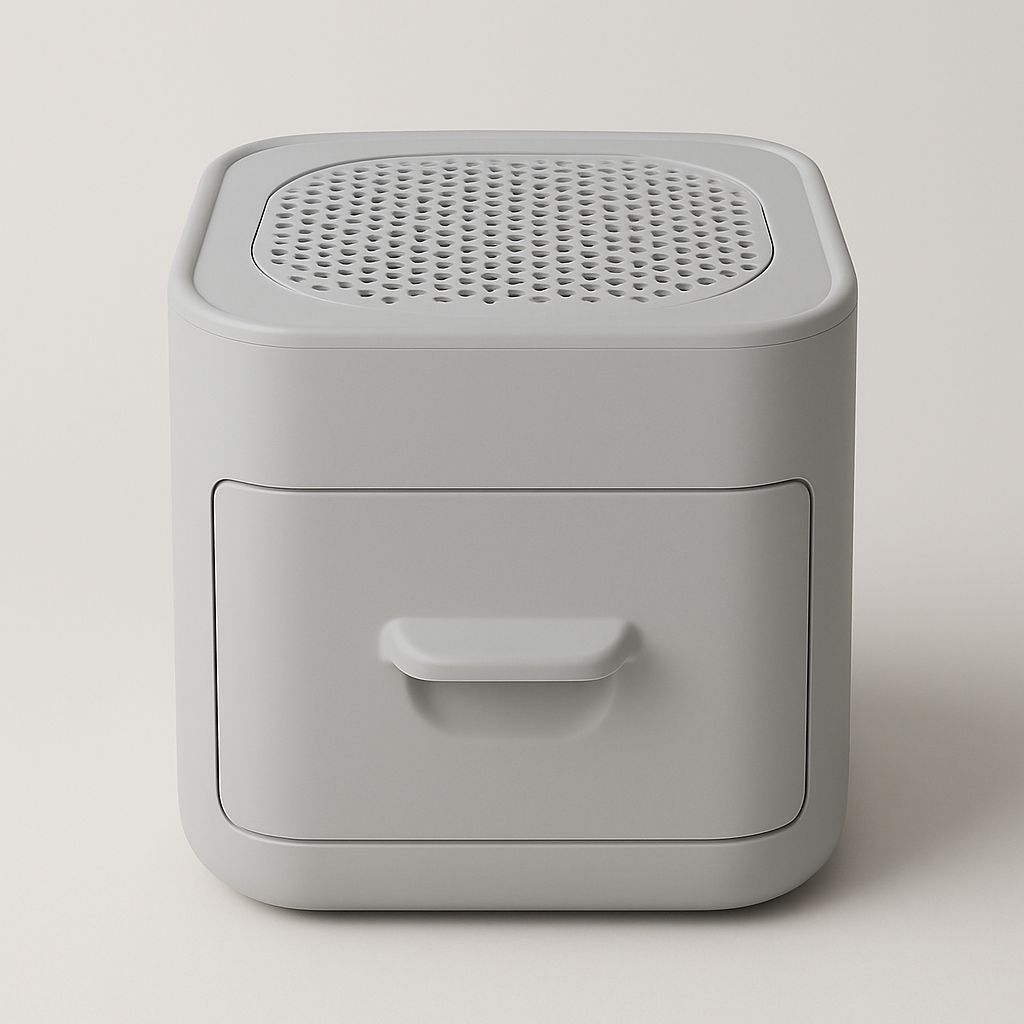
Carbon filters plus an airtight drawer are what actually keep a small flat from smelling of litter.
Other searches
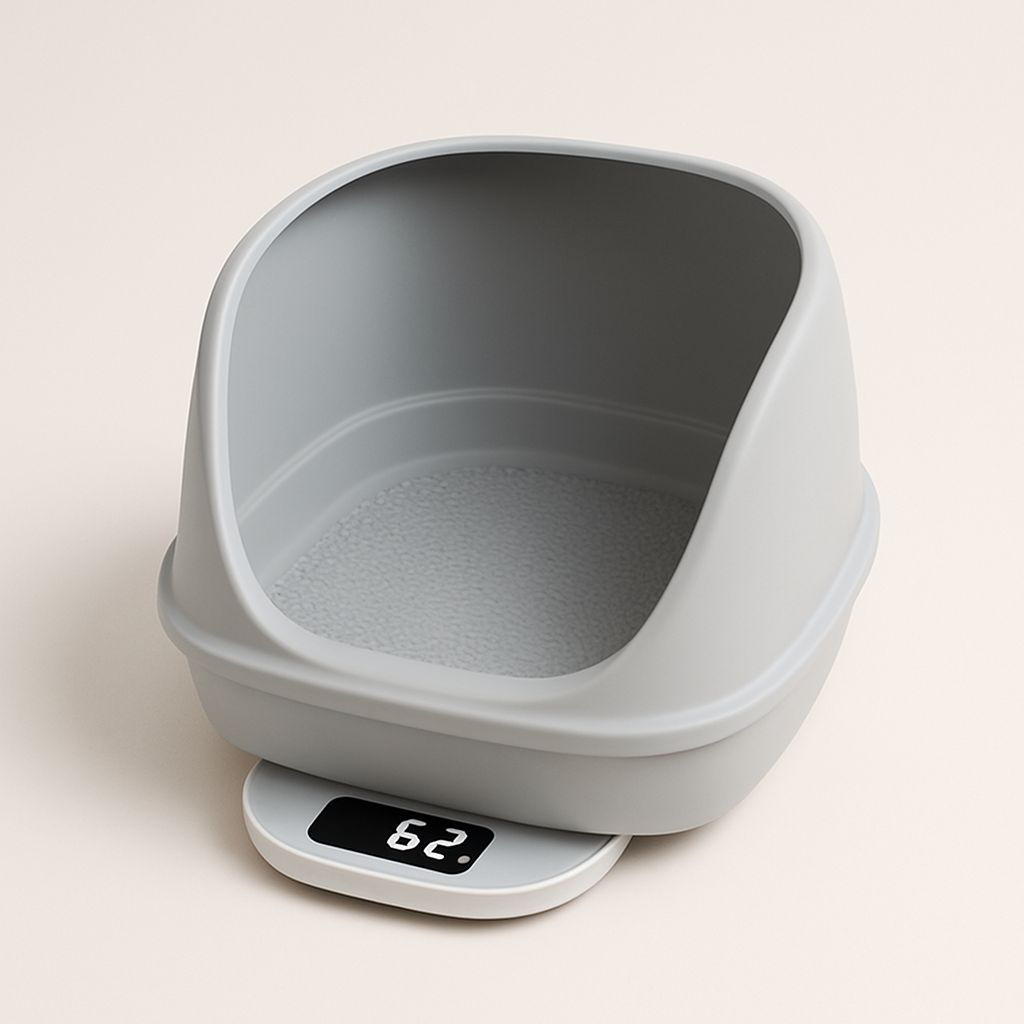
Built-in scales log each visit and weight, an early warning for urinary issues and diabetes.
Other searches
Most disappointment with self-cleaning boxes comes down to size. A cat needs to turn around comfortably; the box should be roughly one and a half times your cat’s body length, and the entry has to suit them at both ends of life — a kitten and a 12-year-old with stiff hips both need a low step.
Large breeds are the classic mismatch. Maine Coons, Ragdolls and any cat over about 7 kg simply do not fit some popular models, and a cat that feels cramped will find your laundry basket instead.
Look for at least two independent safety sensors (weight plus infrared) and a delay before the cycle starts. Read the manual on what happens if the cycle is interrupted — a good box aborts and retries, a bad one pauses in place.
Noise matters more than people expect, because the box usually lives in a bathroom next to a bedroom. Rake models are quieter but need litter that clumps hard; rotating drums are more thorough but louder and taller.
Then there is the subscription in disguise: proprietary waste bags and cartridges. Some models take ordinary bin liners, some do not, and over a year that difference is real money.
They help a lot, because waste ends up in a sealed drawer minutes after it is produced instead of sitting in open litter. You still need to empty the drawer every few days and wash the bowl monthly.
Hard-clumping clay works in nearly all automatic boxes. Crystal litter suits some rake models specifically. Avoid soft or lightweight litters that break apart — they jam mechanisms and get dragged across the floor.
Most manufacturers set a minimum weight, often around 2 kg, because the sensors need to detect the cat. Below that, use a normal open tray until the kitten grows into it.
Empty the waste drawer every 3–5 days for one cat, top up litter weekly, and do a full wash monthly. It removes the daily scoop, not the box itself.