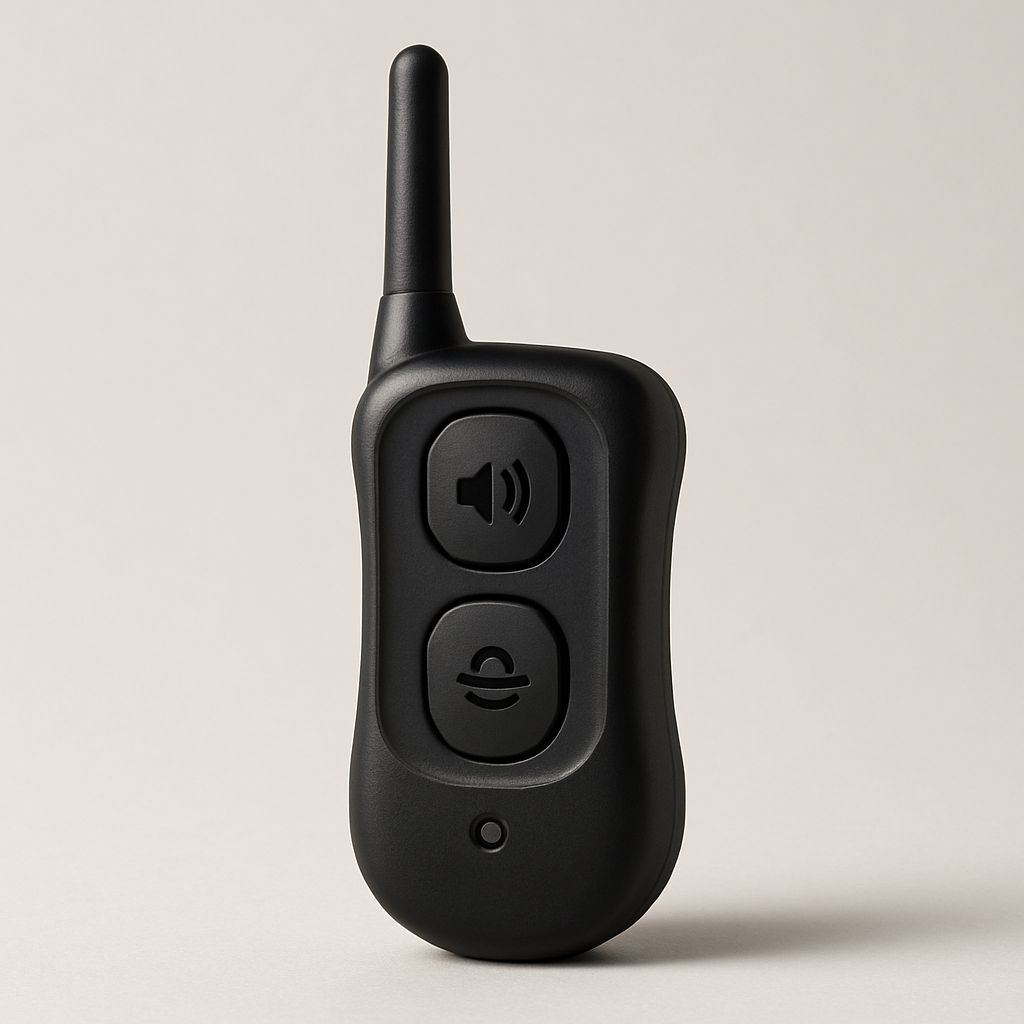
Vibration and tone remotes
Tone and vibration only: enough for a recall marker at distance without pain-based correction.
- No shock mode
- Long range
- Rechargeable
Other searches
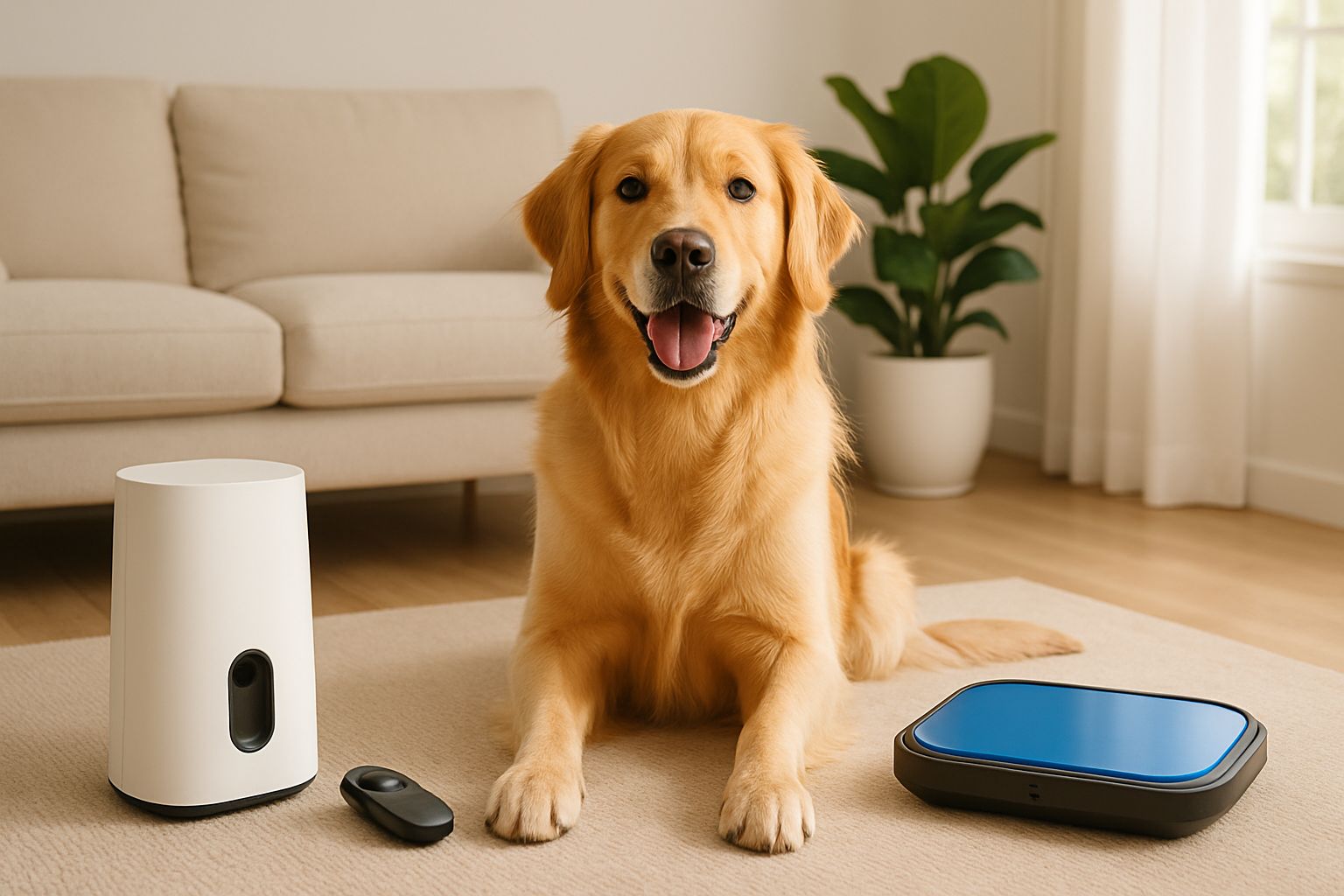
Remote-controlled training gear
Training tech should support reward-based training, not replace it. The tools that hold up improve timing: a marker you can trigger remotely, a dispenser that rewards calm, or a boundary that warns before anything else. Avoid anything whose entire mechanism is punishment.
Each pick links to a live Amazon search — prices and models stay current.
Tone and vibration only: enough for a recall marker at distance without pain-based correction.
Other searches
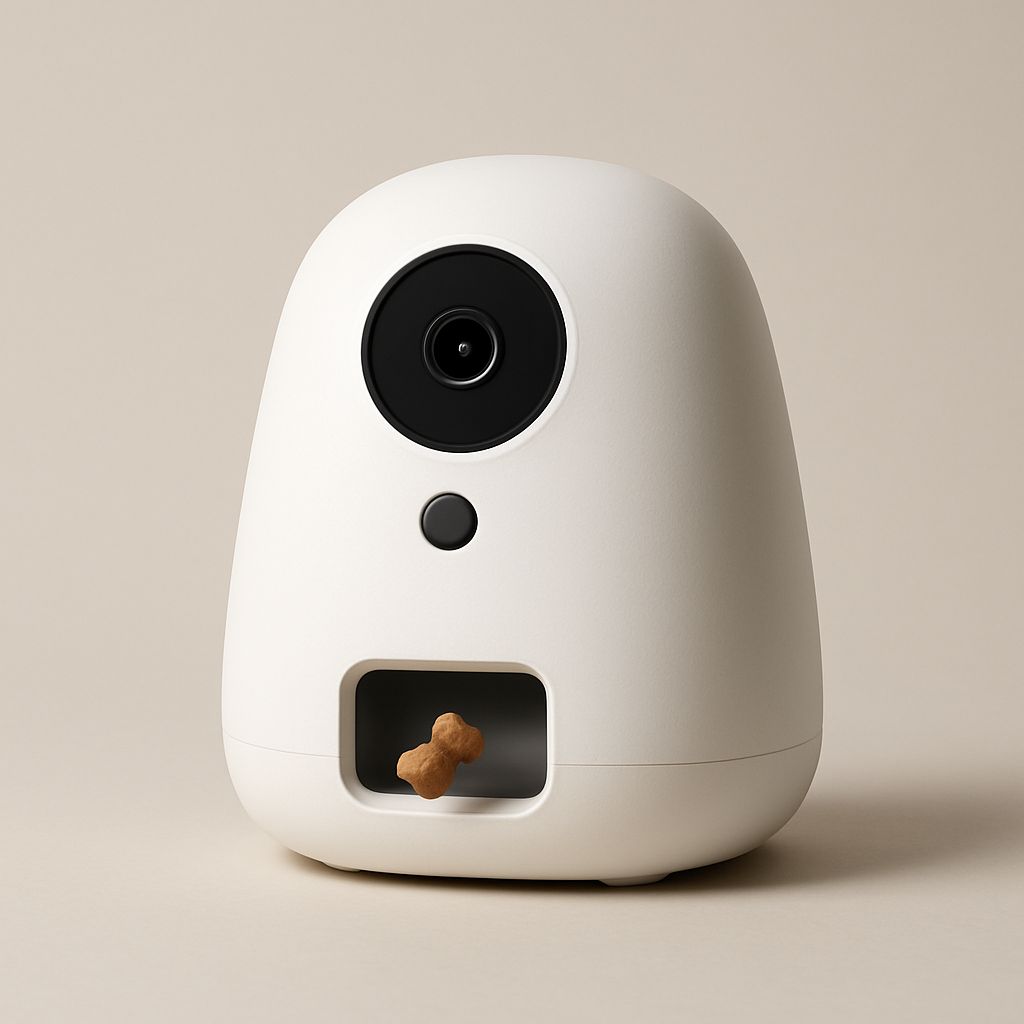
Reward the exact second the dog settles. Timing is the whole game in reward-based training.
Other searches
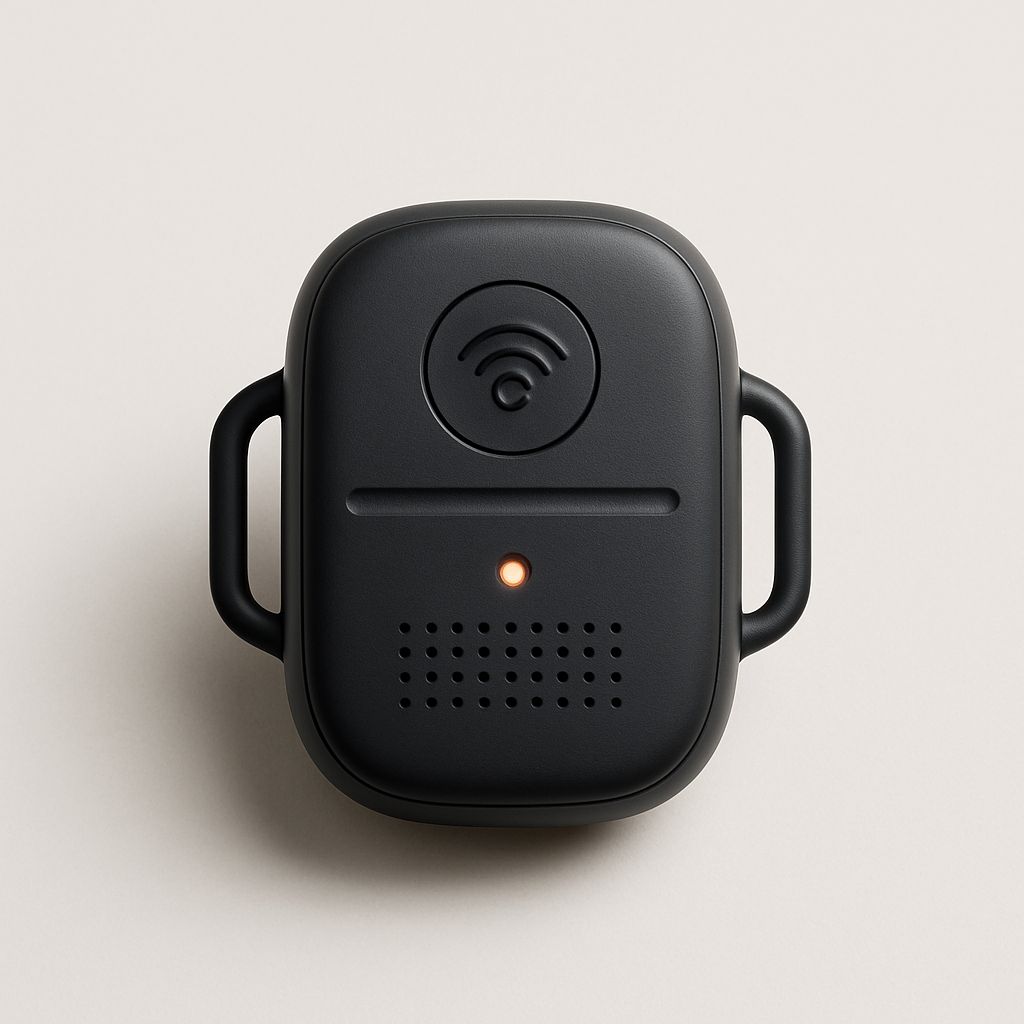
Virtual boundaries with a warning tone before anything else; useful where burying a wire is impractical.
Other searches
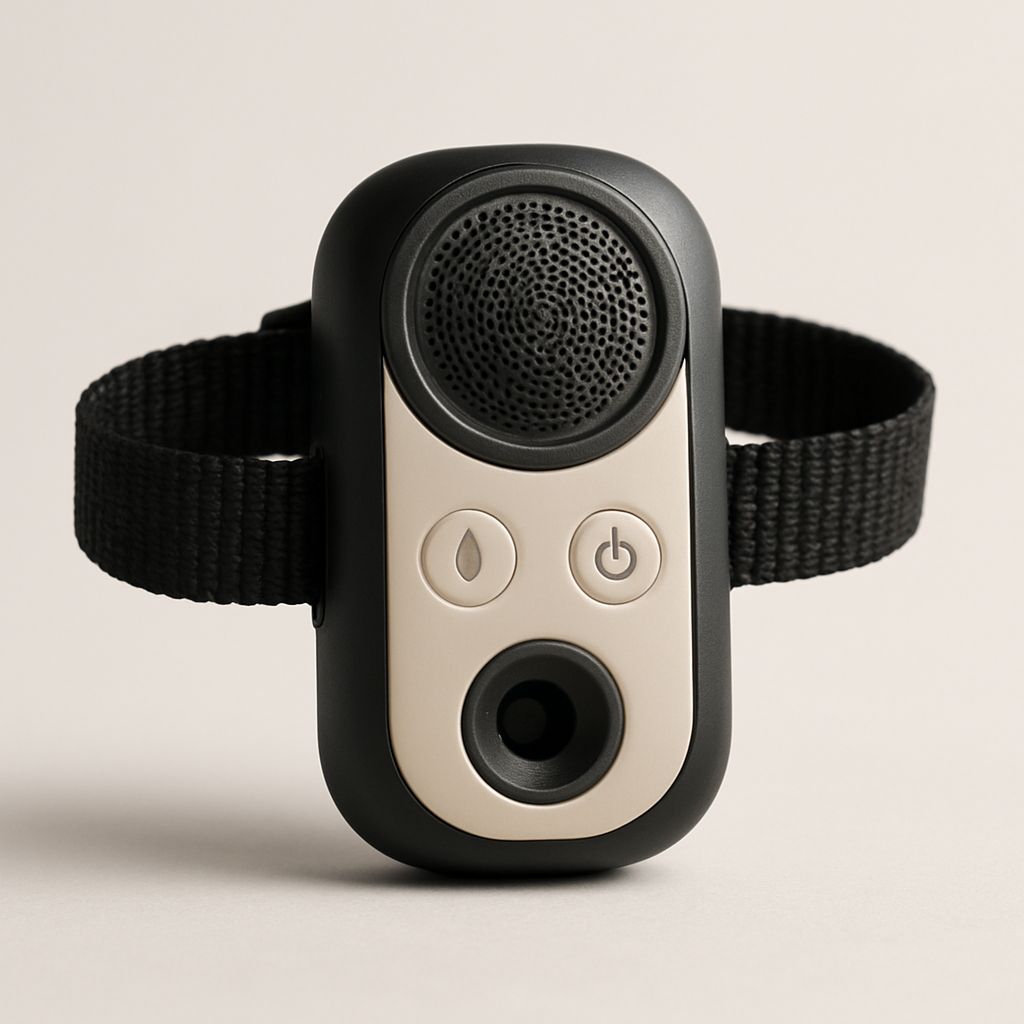
Ultrasonic and spray units interrupt rather than punish; pair them with finding out what triggers the barking.
Other searches
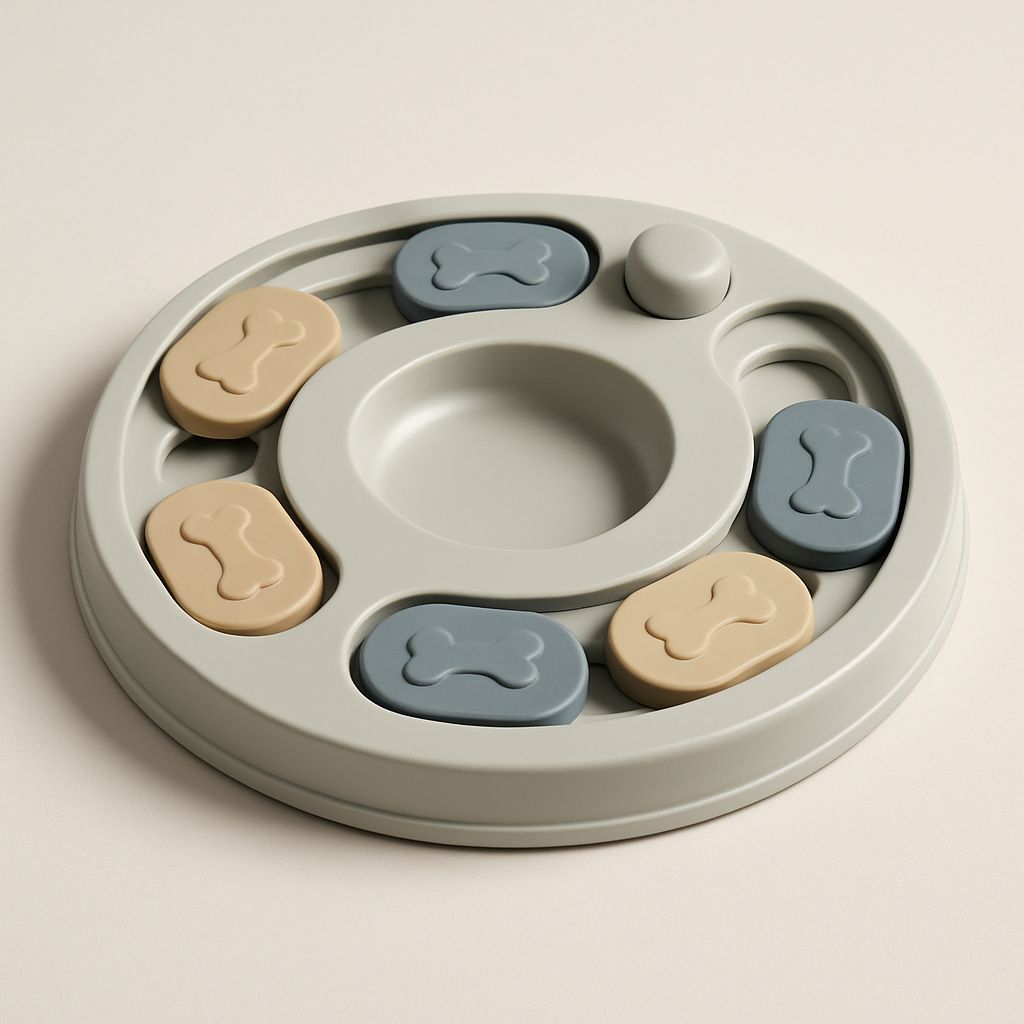
Mental work tires a dog faster than a walk and cuts destructive boredom: the cheapest training upgrade there is.
Other searches
Modern training rests on one boring fact: animals repeat what gets rewarded, and the reward has to land within a second or two of the behaviour. Nearly every training gadget worth owning exists to improve that timing — a remote marker, a treat dispenser you can fire from the sofa, a boundary that warns before your dog reaches the road.
Devices whose entire mechanism is punishment are the ones to avoid. Beyond the welfare argument, they suppress the visible behaviour without addressing the cause, and several countries now restrict or ban shock collars outright. If you feel you need one, that is the point to call a qualified behaviourist instead.
A large share of “behaviour problems” are boredom problems. Puzzle feeders, snuffle mats and slow bowls turn a two-minute meal into twenty minutes of work, and mental effort tires a dog faster than an extra walk.
Start easy so the dog wins early, then increase difficulty. If a puzzle is too hard on day one, most dogs give up and never come back to it — which is how expensive enrichment toys end up in a cupboard.
Vibration and tone are neutral signals, not punishment — like tapping someone on the shoulder. They are commonly used as a recall cue, including with deaf dogs. What matters is what the signal predicts: pair it with a reward, and it works.
No. They are a training aid, not a barrier: they do not stop other animals or people coming in, and a motivated dog can run through the boundary. Use them as a layer, never as the only thing between your dog and a road.
Reward timing and value. Use a marker (clicker or tone) the instant your dog turns towards you, pay with something better than whatever they left, and practise on a long line before trusting it off-lead.
It treats the symptom. Find the trigger first — boredom, alarm barking at the window, separation distress — and fix that. If you use an interrupter, use it alongside training, not instead of it.