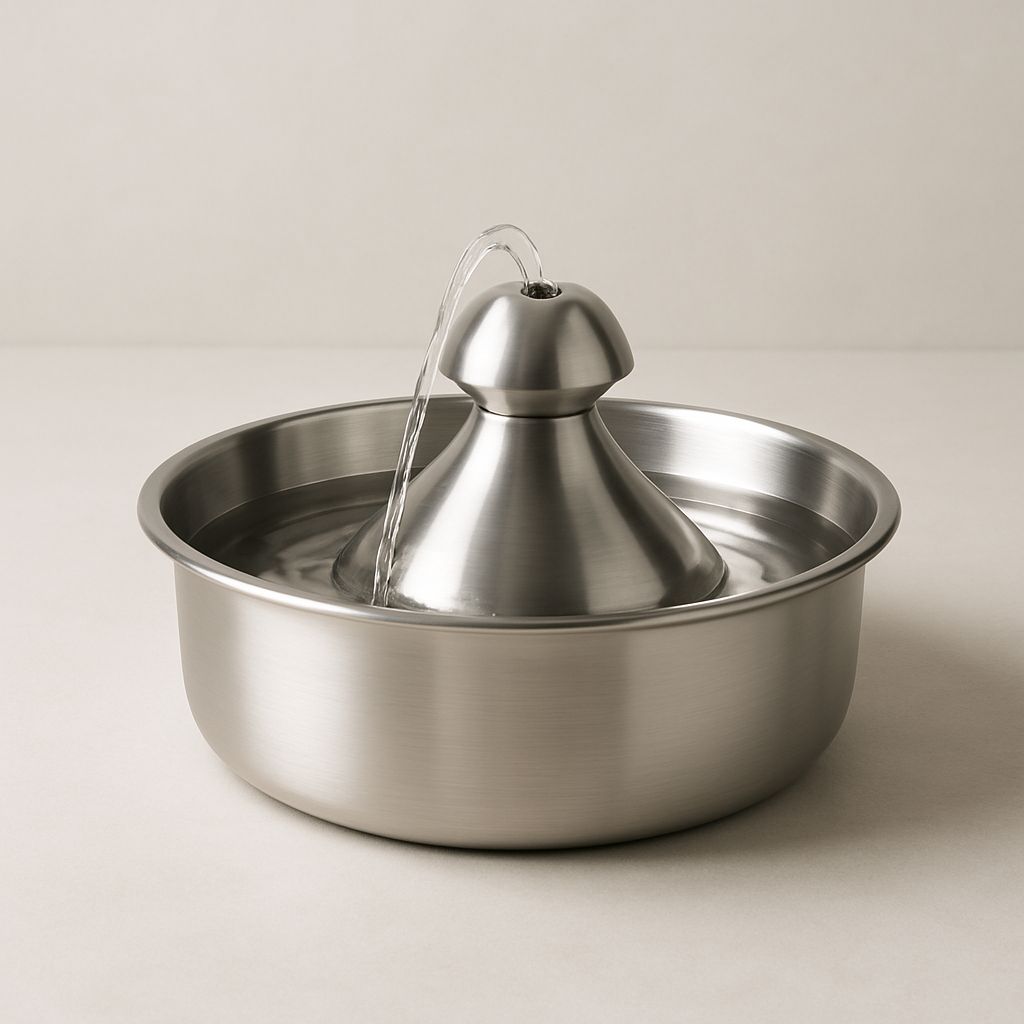
Stainless steel fountains
A non-porous surface resists the slime film linked to feline chin acne, and it goes in the dishwasher.
- Dishwasher safe
- No plastic taste
- Easy weekly clean
Other searches
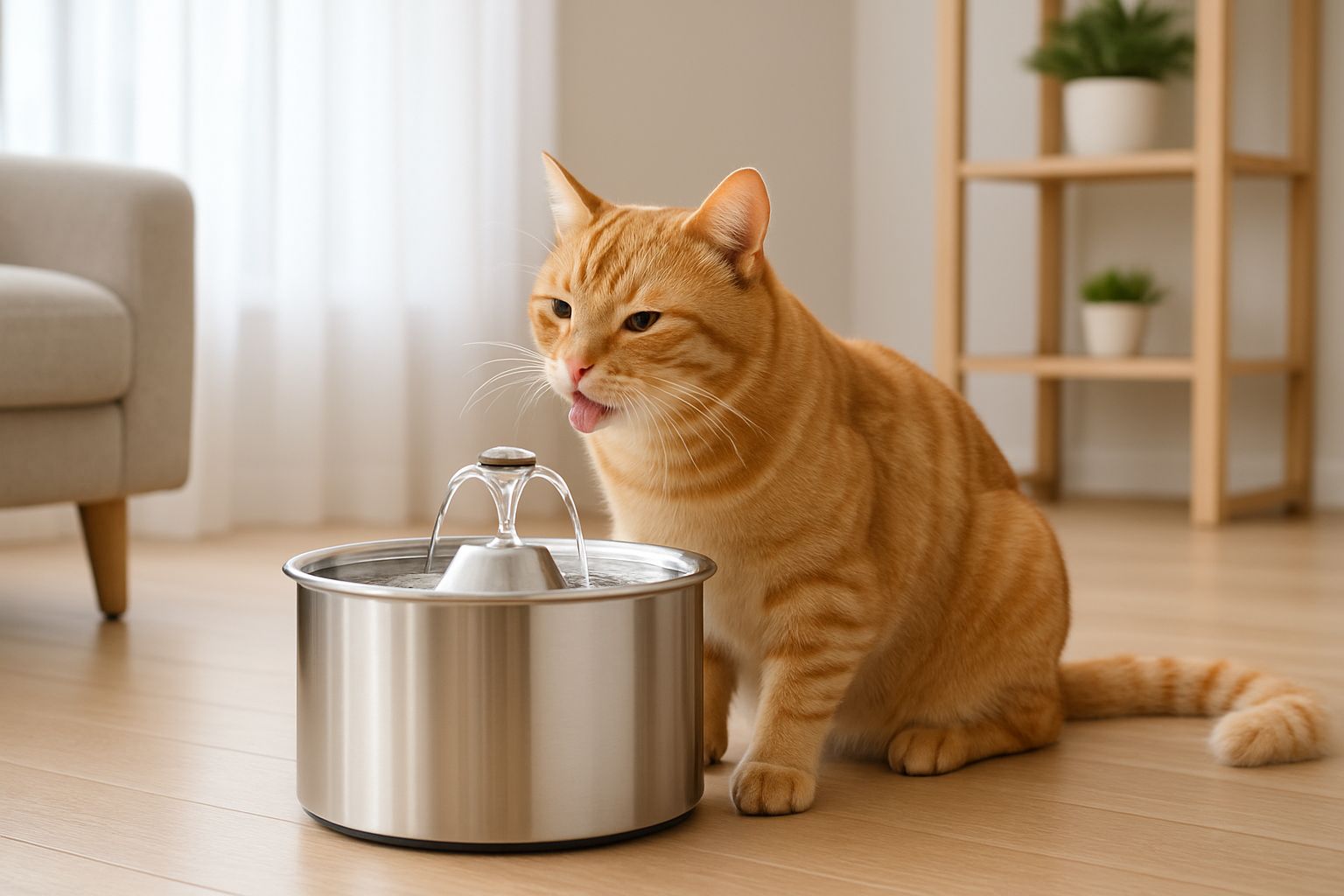
More water, healthier cat
Cats drink more from moving water, which is why vets suggest fountains for cats prone to urinary problems. What separates a good fountain from a noisy one: material (stainless steel or ceramic beats plastic for biofilm), pump noise, filter cost, and how many parts you scrub each week.
Each pick links to a live Amazon search — prices and models stay current.
A non-porous surface resists the slime film linked to feline chin acne, and it goes in the dishwasher.
Other searches
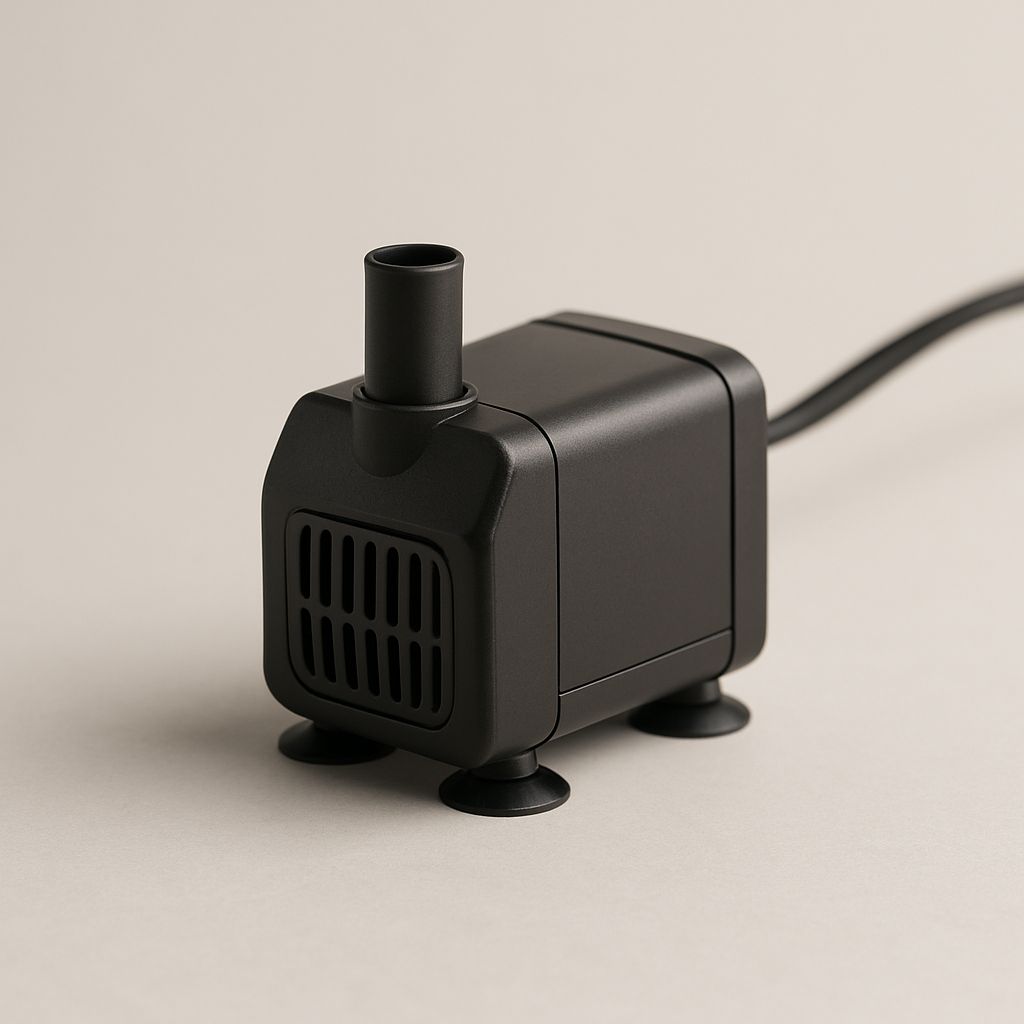
Under 30 dB so it can live in a bedroom. Most noise complaints are actually a low water level, not the pump.
Other searches
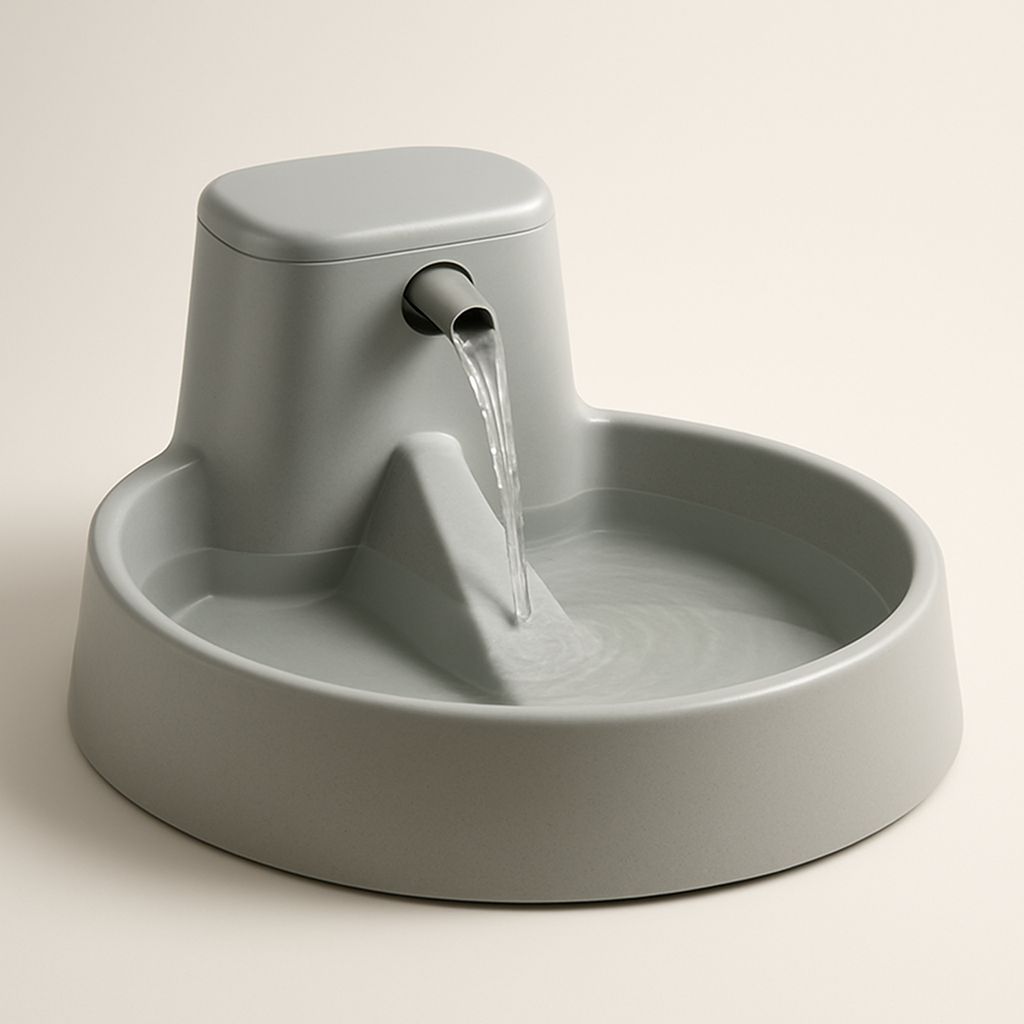
3 L and up so a big dog does not empty it by lunchtime, with a wide bowl for flat-faced breeds.
Other searches
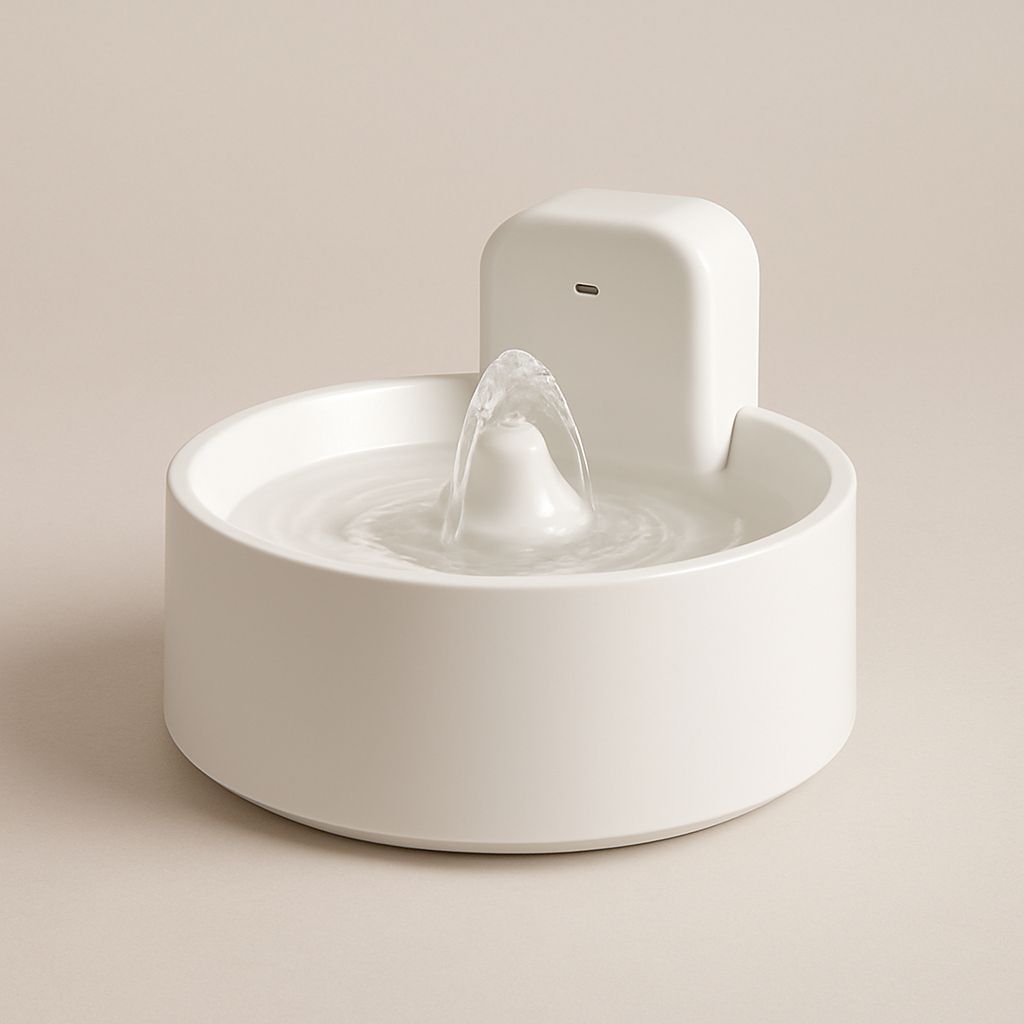
Battery pumps free you from placing the bowl next to a socket; most run 15-30 days per charge.
Other searches
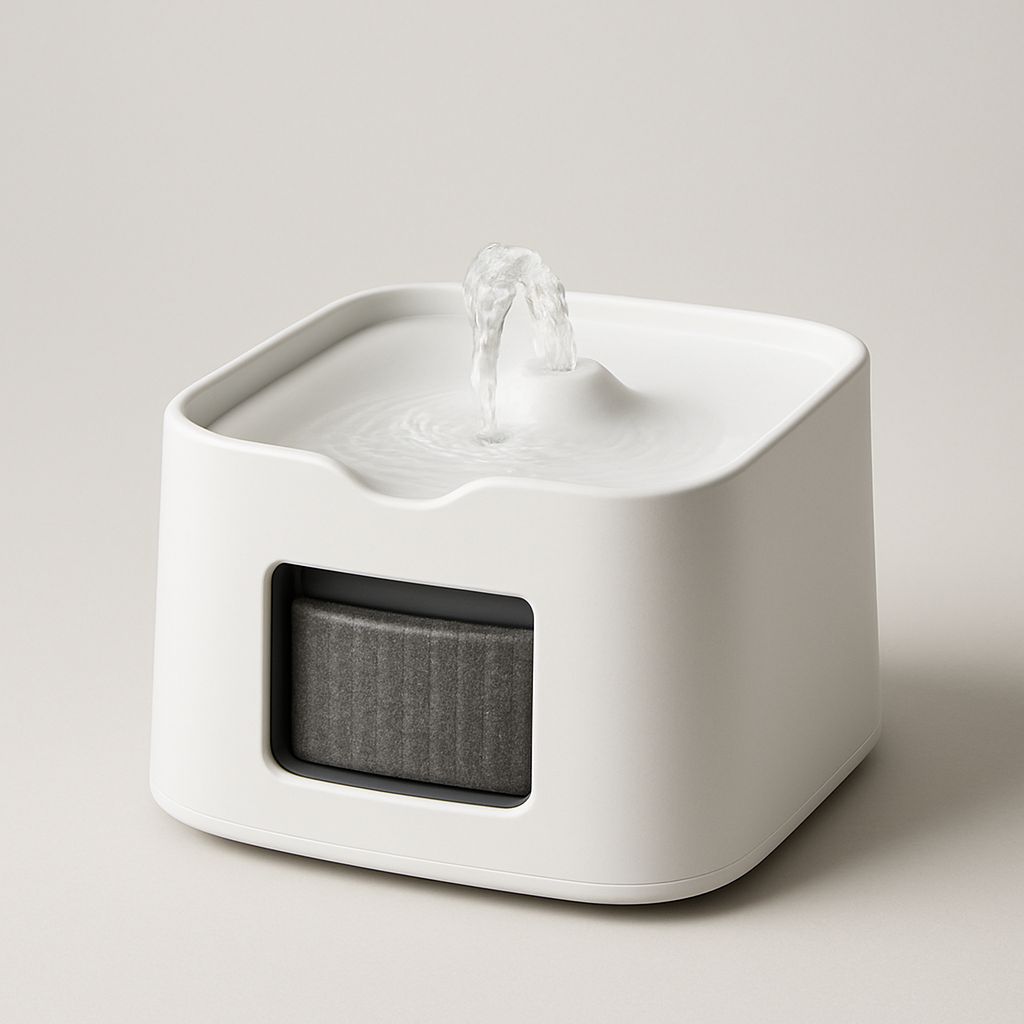
Check the price of a year of filters before buying; on cheap fountains it often exceeds the fountain itself.
Other searches
Cats evolved to get most of their water from prey, so many drink too little from a still bowl. Moving, oxygenated water encourages drinking, which is why vets often suggest a fountain for cats with a history of urinary crystals or kidney disease.
A fountain is not magic, though. If your cat already drinks well from a wide ceramic bowl, you are buying a cleaning chore for no benefit. And a noisy or badly designed fountain can put a cat off drinking entirely — the goal is more water consumed, not more gadget.
Stainless steel and ceramic beat plastic. Plastic scratches, and those scratches hold a slime film (biofilm) that is linked to feline chin acne and gives water an off taste. Both alternatives go in the dishwasher.
Pump noise is usually a symptom, not a defect: when the reservoir drops below the pump intake it starts sucking air. Buy a fountain with a visible water window or a low-water alert, and the noise complaint mostly disappears.
Before you buy, price a year of filters. On some budget fountains the filters cost more over twelve months than the fountain itself, and models with washable pre-filters cut that bill substantially.
Rinse and refill every 2–3 days, and do a full disassembly with hot soapy water weekly. The pump impeller needs its own clean — that is where slime builds up first and where most fountain noise starts.
They help with hair, dust and taste, but they are not what keeps the water safe — cleaning is. If you skip filters, clean more often. Never run a fountain with a filter that is past due; it becomes a bacterial sponge.
Both are good. Steel is lighter and unbreakable; ceramic is heavier so it moves less when a determined cat paws at it, and it stays cooler in warm rooms. Avoid plastic if your cat has chin acne.
For a night or two, yes, with a full reservoir. For longer, add a second plain water bowl as a backup — pumps do fail, and a dry fountain leaves your pet with nothing.